
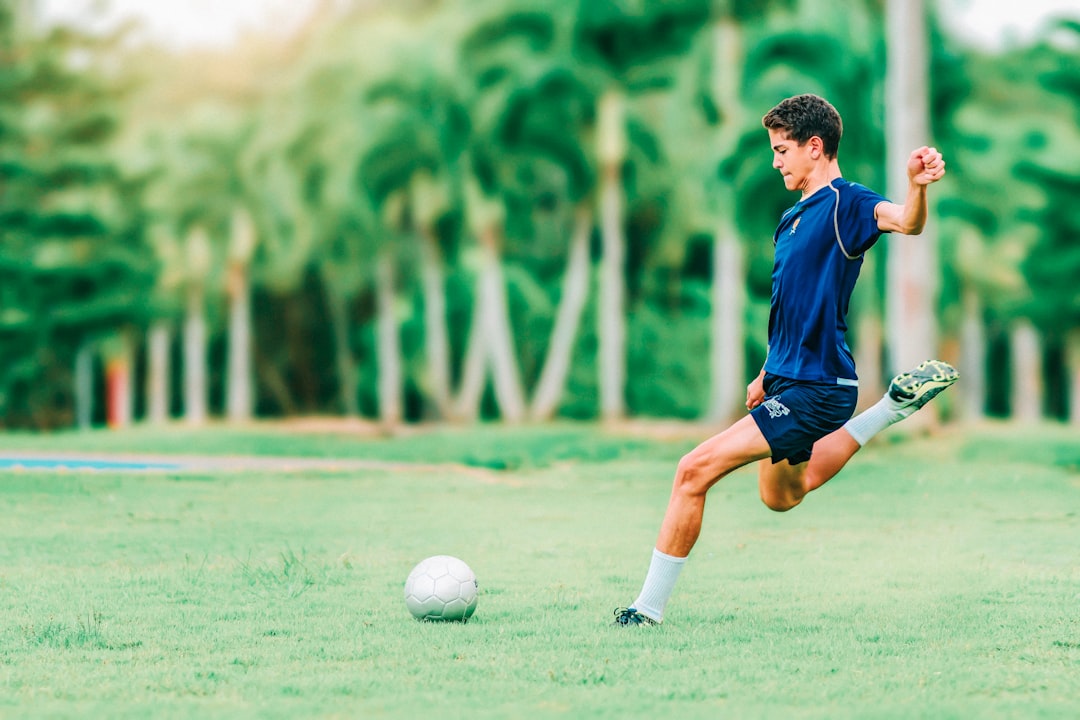
A thoughtful cool-down after soccer training helps your body recover, reduces stiffness, and preserves mobility for the next session. Simple, targeted stretches performed for 8–12 minutes can make a noticeable difference in soreness and range of motion.
This guide gives clear, practical cool-down stretches you can do on the pitch or in the locker room. Each stretch includes how to perform it, what it targets, and common form cues so you get the most benefit with minimal time.
Why a cool-down matters
A good cool-down helps shift your body from high-intensity work back toward rest by lowering heart rate and promoting metabolic recovery. If you train with speed and plyometric sets, such as drills from a Soccer Speed and Agility Sets, you’ll especially benefit from targeted stretching to address high muscle activation and tightness.
When and how long
Start your cool-down immediately after finishing intense work while your muscles are still warm. Aim for 8–12 minutes: 4–6 minutes of light aerobic movement (easy jogging or walking) followed by 4–6 minutes of static and controlled dynamic stretches. If practice involved cone-based technical drills, it’s helpful to include a few movement patterns that mimic those drills—for example, walking lunges around the Soccer Training Cones you used in practice.
Hamstring stretch — standing single-leg reach
Why: Hamstrings absorb a lot of workload from sprinting and deceleration. Tight hamstrings can limit stride length and increase strain risk.
How: Stand on one leg, place the opposite heel on a low curb or a step, keep the leg straight (soft knee is okay), hinge from the hips and reach toward the toes with a flat back. Hold 20–30 seconds per side, repeat once. Keep breathing and avoid bouncing.
Tip: If your practice included footwork on a Soccer Agility Ladders, this stretch helps restore posterior chain length after lots of short sprints and directional changes.
Quadriceps stretch — standing heel-to-glute
Why: Quads power sprinting and kicking. Stretching reduces anterior thigh tightness and improves knee tracking.
How: Stand tall, bend one knee and pull your heel gently to your glute with the same-side hand. Keep the knees close together and pelvis tucked slightly. Hold 20–30 seconds per side and repeat once. Use a wall for balance if needed.
Calf and ankle mobility — wall calf stretch and ankle circles
Why: Calves and ankles take heavy loads from running, cutting, and planting. Good ankle mobility protects the knee and improves push-off.
How: For the wall calf stretch, place both hands on a wall, step one foot back with heel down and bend the front knee. Hold 20–30 seconds and switch. Follow with slow ankle circles (10 each direction) to restore joint mobility.
If you’re protecting a vulnerable joint after a heavy session, consider supportive options like Soccer Ankle Guards for training days, then use the mobility work to maintain range.
Hip flexor & glute release — kneeling lunge with rotation
Why: Sprinting and kicking often shorten hip flexors and fatigue glutes, which can lead to lower-back discomfort and reduced power.
How: From a kneeling lunge (rear knee on the ground), drive the hips forward to feel a stretch through the front of the hip. Add a slow torso rotation toward the front leg to engage glute and core. Hold 20–30 seconds each side and repeat once.
Players who performed plyometric drills such as those with Soccer Speed Hurdles should prioritize this movement to relieve anterior chain tension and promote hip extension.
Groin (adductor) stretch — seated butterfly or side lunge
Why: Quick lateral movements and dribbling put stress on the inner thigh. Tight adductors limit lateral reach and change-of-direction efficiency.
How (butterfly): Sit with soles together, hold your feet and gently press knees toward the floor. Hold 20–30 seconds. How (side lunge): Step wide into a side lunge, shift hips back while keeping the other leg straight; hold and switch sides.
If your session focused on close control and turns using tools like Soccer Dribbling Trainers, include both versions to address different functional ranges.
Upper body and shoulder mobility — cross-body and chest opener
Why: For outfield players, shoulder mobility helps balance and arm swing for running. For goalkeepers, upper-body flexibility is critical for saves and reach.
How: Perform a cross-body shoulder stretch (arm across chest, opposite hand pulling) for 20 seconds each side. Follow with a chest opener—clasp hands behind your back and lift gently. Goalkeepers should add gentle overhead reaches and controlled thoracic rotations while staying within pain-free ranges.
Goalkeepers who wear specific gear like Soccer Goalkeeper Elbow Pads still need mobility work to maximize reach and protect joints during play.
Dynamic breathing and light ball work
Why: The cool-down is also an opportunity to regulate breathing, lower heart rate, and do low-intensity technical reps that reinforce touch without fatigue.
How: Use 2–3 minutes of controlled breathing (inhale for 3, exhale for 4) while walking. Then perform light passing drills or soft volleys for 2–4 minutes using a rebounder or partner at low intensity.
Using a Soccer Rebounder Nets during cooldown ball work saves time and keeps sessions efficient by returning the ball for controlled touches.
Checklist: Quick cool-down routine
- 2–4 minutes easy jog/walk
- Hamstring stretch — 20–30s each side
- Quad stretch — 20–30s each side
- Calf wall stretch + ankle circles — 20–30s each side
- Hip flexor kneeling lunge with rotation — 20–30s each side
- Groin (butterfly or side lunge) — 20–30s
- Shoulder cross-body + chest opener — 20s each
- 2–4 minutes light ball work or controlled breathing
Common mistakes and form cues
Avoid bouncing during static stretches—hold steady tension. Keep the working muscle warm at all times: do your light aerobic work first. Breathe deeply and consistently; breath-holding increases tension. If you find a particular area persistently tight after specific drills—say repeated ladder sessions—adjust your cool-down to spend an extra 30–60 seconds on that muscle group or add mobility drills from your speed and agility toolkit.
When to seek professional help
Stretching and cool-downs reduce stiffness but won’t heal acute injuries. If you experience sharp pain, swelling, or persistent weakness after training, see a medical professional or physiotherapist. For chronic issues, a coach or therapist may recommend equipment changes, movement pattern adjustments, or supportive items like compression or protective gear to reduce re-injury risk.
FAQ
How long should each stretch last?
For static stretches, 20–30 seconds is effective for most players. Repeat once if needed. For tight areas, two repeats are appropriate.
Should I stretch before training?
Not static stretching for long periods. Start with a dynamic warm-up—light jogging, leg swings, and movement patterns. Save static holds for the cool-down when muscles are warm.
Is foam rolling better than stretching?
They serve different roles. Foam rolling is great for tissue release and easing soreness; static stretching improves joint range. Combine both as part of recovery depending on time and need.
Can I do cool-down stretches at home after evening training?
Yes. Repeating the same routine at home is beneficial. Keep stretches controlled and avoid aggressive loading if you’re already sore.
How often should I adjust my cool-down routine?
Minor tweaks week-to-week based on training focus are useful. If training emphasizes sprinting or plyometrics, add more posterior-chain and hip mobility work.
Are there tools that help with cooldown efficiency?
Yes—simple items like cones, ladders, and rebounders can structure light technical work and mobility circuits. Integrating small pieces of kit makes cooldowns purposeful and time-efficient.
Conclusion — practical takeaway
Spend 8–12 minutes on a structured cool-down that includes light aerobic work, targeted static stretches, and a short period of breathing or light ball work. Prioritize the muscle groups you taxed most in training—hamstrings, quads, calves, hips, and groin—and adjust recovery tools and timing to suit your session. Small, consistent cool-downs preserve performance and reduce downtime between trainings.