
Intro
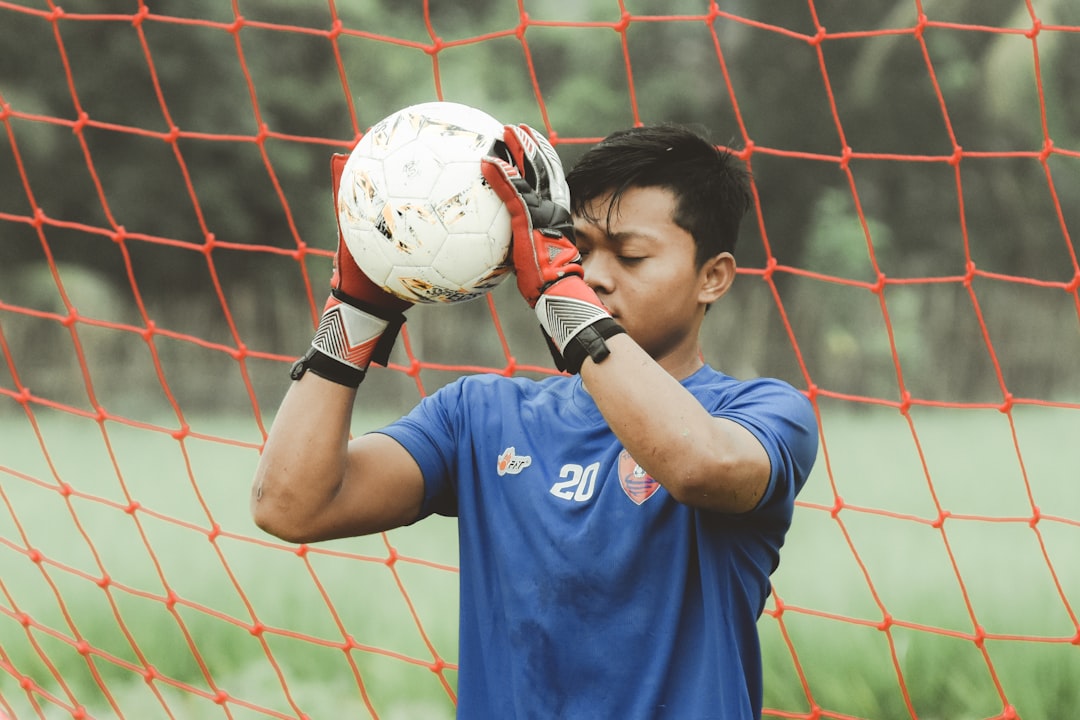
Handling is the core of a goalkeeper’s value. For young keepers, reliable hands reduce goals conceded and build confidence—both in training and on match day.
This guide gives clear, practical drills, gear tips, and progress checks to help youth goalkeepers improve catching, cushioning, and recovery under pressure.
Fundamentals of catching technique
Start with the basic catch: eyes on the ball, hands forming a W or diamond depending on height, thumbs together on low saves and fingers spread on high saves. Practice taking the ball into the chest to absorb force rather than letting it bounce out.
Good gloves make learning technique easier because they provide consistent grip and padding. Consider the support and grip features of proven models like Renegade GK Fury Goalie Gloves when starting progressive catching drills.
Footwork and body alignment
Handling isn’t just hands—your feet set up every save. Teach step-and-step recovery: small quick steps to square the hips to the ball, then a final long step into the save. Work on descending and ascending movements so keepers stay balanced when coming forward to catch or retreat to the near post.
Drills that emphasize quick feet and coordination—ladders, cone patterns, short sprints—are ideal. A good set of tools to structure these routines is available in the Soccer Speed and Agility Sets, which help build the foot speed and body control that convert good technique into consistent saves.
Reaction drills with a rebounder
Reaction time is key for unexpected deflections and sharp strikes. Start with two-handed chest catches from a partner, then progress to alternating one-touch catches and parries. Use rapid-fire drills to reduce flinch reactions and force the keeper to present clean hands.
Rebounders are excellent for solo, repetitive work that trains reflexes and hand-eye coordination. Introducing a dedicated rebound tool like those in the Soccer Rebounder Nets lets young keepers practice unpredictable bounces safely and with high volume.
Improving high-ball handling and punches
High crosses require timing, positioning, and the choice between catching or punching. Drill the run-out: take a decisive step toward the ball, call loudly to communicate, and either wrap the ball into the chest or use a strong, angled punch to clear traffic.
Training mannequins simulate traffic and walls, which helps goalkeepers practice claiming the ball under pressure without risking teammates. Use resources like Soccer Training Mannequins to replicate crowded six-yard boxes in practice.
Handling second balls and deflections
After making an initial save, the most dangerous moment is the second ball. Teach keepers to recover quickly: hold the ball securely, get up or reposition, and be prepared for an immediate follow-up. Practice sequences where teammates or machines immediately shoot the rebound back toward goal.
Kick return trainers and similar devices create realistic sequences so keepers can rehearse recovery posture and quick re-engagement. Tools like the Soccer Kick Return Trainers make these practice reps efficient and repeatable.
Protective gear for safe diving and recovery
Young keepers push their bodies to make brave saves. Proper padding reduces fear of impact and lets them commit fully to dives and low catches. Teach roll-out techniques—how to cushion a landing and spring back into position—to maintain readiness after every save.
Consider protective padding that supports repeated dives. Quality options for knees reduce hesitation when attacking low shots; see selections in the Soccer Goalkeeper Knee Pads category to keep practice safe and productive.
Protecting fingers and joints
Finger hyperextension is a common cause of time off the field. Teach keepers to show soft hands and to use correct hand shape on forceful shots. For added protection during development phases, taped fingers can limit risky ranges without compromising catching technique.
Use finger protection options when increasing shot power in training. Products such as Goalkeeper Finger Protection Tape give added security during repetitive high-intensity sessions while the keeper builds strength and confidence.
Glove maintenance and improving grip
Glove performance depends on both quality and care. Teach young keepers to rinse gloves after dirt exposure, air-dry them away from heat, and store palms protected. A consistent glove grip helps the keeper focus on technique rather than worrying about slipping palms.
Grip boosters and palm treatments can restore tackiness and extend usable life. A specific option for improving palm feel and handling is the Gloveglu MEGAgrip Goalkeeper Glove Grip Spray, which helps when gloves have lost their initial tack and young keepers need consistent feedback from their equipment.
Checklist: Weekly handling practice
- 3x per week: 15–20 minutes of partner chest catches and one-touch drills
- 2x per week: 10 minutes of rebounder work (random bounces)
- 2x per week: 10 minutes high-ball claiming and punching with mannequins or simulated traffic
- 1x per week: footwork ladder and agility set focused on approach and recovery
- Ongoing: inspect gloves and tape; use grip spray or finger tape as needed
FAQ
- How often should a young keeper train handling? Aim for specific handling work 3–5 times per week in short focused sessions rather than long, unfocused hours.
- Are gloves necessary for beginners? Yes—gloves protect hands and give consistent feedback. Start with a durable, comfortable pair sized correctly for the youth keeper.
- When should I add finger tape? Use finger tape during higher intensity load weeks or after minor sprains. It’s also useful when introducing stronger shots until technique and strength improve.
- How do I practice alone? Rebounder nets and kick-return trainers let keepers train reactions, second-ball handling, and repetitive catches when a partner isn’t available.
- How long until handling improves? With focused, correct practice, noticeable improvements can appear in 4–8 weeks; consistency and progressive overload matter more than raw time.
Conclusion and practical takeaway
Improve handling by combining technical coaching, structured drills, and the right protective and training gear. Prioritize footwork, consistent repetition of catch technique, and safe progressive overload. Use rebounders and drills to simulate match randomness, reinforce recovery for second balls, and maintain glove care and finger protection to keep young keepers training confidently.
Products Featured in This Article
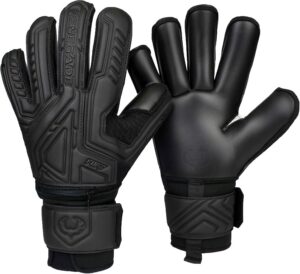
Renegade GK Fury Goalie Gloves with…
Product description Best In Class Finger Protection & Punch Performance Endo-Tek Pro FingersavesDuraTek 4+2MM Latex Backhand6D…
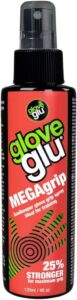
Gloveglu MEGAgrip Goalkeeper Glove …
25% stronger than the original for maximum grip revival. Revive your old gloves. Improve your new….