
How to Prepare Your Child for Their First Soccer Practice
Sending your child to their first soccer practice is exciting—and a little nerve-wracking. The right preparation helps them feel confident, stay comfortable, and get the most out of that first session.
This guide walks you through practical steps: gear, simple drills, arrival routines, safety tips, and ways to build confidence so your child enjoys practice and looks forward to the next one.
What to Bring to Their First Practice
Keep the checklist simple and focused on comfort and safety. Essentials include a properly fitting pair of cleats, soccer socks, shin guards, a water bottle, and a small snack for after practice. If your child will be carrying multiple items, a good bag makes a big difference—consider an organized option like the Athletico Youth Soccer Bag to keep cleats and ball separate from clothes.
Shin guards are non-negotiable for youth leagues. Choose guards sized for kids and test the fit at home so your child knows how they feel before practice: Youth Soccer Shin Guards.
Clothing and Footwear: Fit and Function
Comfort matters. Dress your child in moisture-wicking clothes appropriate for the weather. Avoid stiff or brand-new cleats on day one—if possible, have them break in at home with short wear sessions. Soccer socks should cover the shin guards completely and stay up during activity.
For very young players, a lightweight layer or a hoodie to put on after practice prevents chills while parents stay on the sidelines.
Warm-Ups and Simple Skills to Practice at Home
Introducing a few basic movements before the first practice shortens the learning curve and reduces anxiety. Spend 10–15 minutes on a quick routine of light jogging, dynamic stretches, and ball touches. Simple footwork drills help them feel comfortable with the ball.
A small agility set is a low-cost, high-return investment you can use at home to build coordination and footwork. Sets like an Agility Ladder set are portable and effective for short daily sessions.
At-Home Habits That Make Practice Easier
Short, consistent routines beat long one-off sessions. Two to three 10–15 minute practices per week focusing on dribbling, passing against a wall, or simple agility drills will improve coordination and confidence. Keep sessions positive: praise effort and small improvements.
Consider using structured at-home equipment that mirrors basic training tools to build familiarity: Soccer Speed and Agility Sets help translate home practice into better performance during team drills.
Building Confidence and Team Mindset
First practices are as much about social comfort as they are about skills. Role-play common coaches’ instructions at home so your child knows what to expect. Teach simple phrases—“Pass,” “Mine,” “Goal”—and run through a mock warm-up to reduce first-day confusion.
Practice ball control in fun ways: dribbling relays or games that turn repetition into play. Tools like Soccer Dribbling Trainers can make at-home sessions engaging and help children feel prepared for group drills.
Goalkeeper Basics for First-Timers
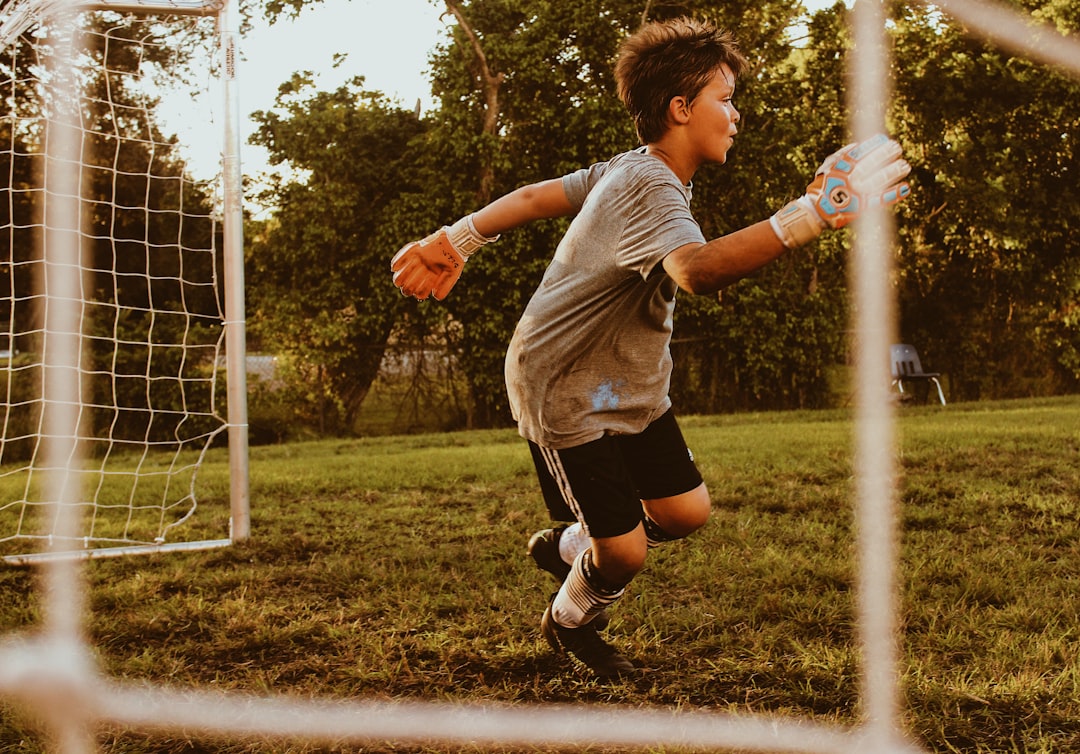
If your child will try goalkeeping, introduce basic stance and catching drills ahead of time. Explain that padding and gloves are standard and help keep the position safe and comfortable. A padded goalkeeper jersey is particularly useful for beginners who will be diving and falling during training: KELME Kids Padded Goalie Shirt.
Show them how to protect their fingers by keeping hands together on low balls and using soft knees on saves. Reassure them that coaches will teach technique step by step.
Safety, Injury Prevention, and Simple First-Aid
Injuries are uncommon at basic practices, but prevention is important. Make sure shin guards fit well and that laces are tied securely. For kids prone to ankle twists or who need extra support, protective options like Soccer Ankle Guards can provide reassurance and stability.
Pack a small first-aid kit with adhesive bandages, an ice pack, and any personal medications. Coaches typically handle field care, but having basic supplies on hand speeds treatment of minor scrapes or bumps.
Practice-Day Routine and Arrival Tips
Plan to arrive 10–15 minutes early to allow time for check-in, a quick bathroom stop, and a calm meet-and-greet with the coach. Encourage your child to bring a labeled water bottle and to sip frequently. For snacks or cold packs, a compact cooler or insulated bag keeps items fresh and accessible—consider a reliable option like these insulated bags.
Set expectations ahead of time: a quick warm-up, basic drills, and probably small-sided games. Let your child know you’ll be nearby at the scheduled end time and reinforce that trying is more important than doing everything perfectly.
Small Checklist Before Practice
- Cleats (broken-in, comfortable)
- Soccer socks and shin guards (Youth Soccer Shin Guards if needed)
- Water bottle and a small snack
- Athletico Youth Soccer Bag to organize gear: Athletico Youth Soccer Bag
- Light layer for after practice
- Optional protective gear: Soccer Ankle Guards
- Positive pep talk—focus on fun and effort
Frequently Asked Questions
-
What if my child is nervous?
Validate their feelings, keep expectations low, and role-play the routine at home. Small, familiar drills reduce anxiety.
-
Can they use regular sneakers instead of cleats?
For grass practices, cleats are recommended for traction. If you can’t get cleats right away, confirm with the coach; some first sessions allow sneakers.
-
How early should we arrive?
Arrive 10–15 minutes before start time to check in, use the restroom, and complete a calm warm-up.
-
Should I stay on the field or leave?
Follow the program’s policy. Many coaches ask parents to stay nearby but off the field so children gain independence while feeling secure.
-
How can we practice without making it feel like homework?
Turn drills into games—timed dribble relays, target-kicking contests, or simple obstacle courses using a small agility ladder keep practice playful and effective.
Conclusion
Preparation reduces stress and boosts enjoyment. Focus on a simple gear list, a few short at-home drills, and a calm arrival routine. With the right basics—comfortable equipment, light practice, and positive support—your child’s first soccer practice will be a confident step toward loving the game.
Products Featured in This Article
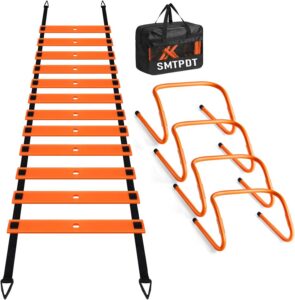
Agility Ladder,Soccer Training Equi…
Newly Upgraded Durable Hurdles–Stronger & More Reliable:We’ve upgraded our agility hurdles with premium materials and a…

KELME Kids Padded Goalie Shirt,Yout…
Department : boys Date First Available : February 28, 2018 ASIN …

Superio Hot and Cold Insulated Bags…
From the brand Closet Organization Laundry Organization Trash Cans Home Cleaning Kitchen Cleaning Food Storage Outdoor…
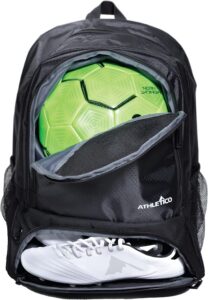
Athletico Youth Soccer Bag – …
Product description Athletico League Youth Soccer Backpack | Holds Soccer Ball / Basketball / Volleyball +…