
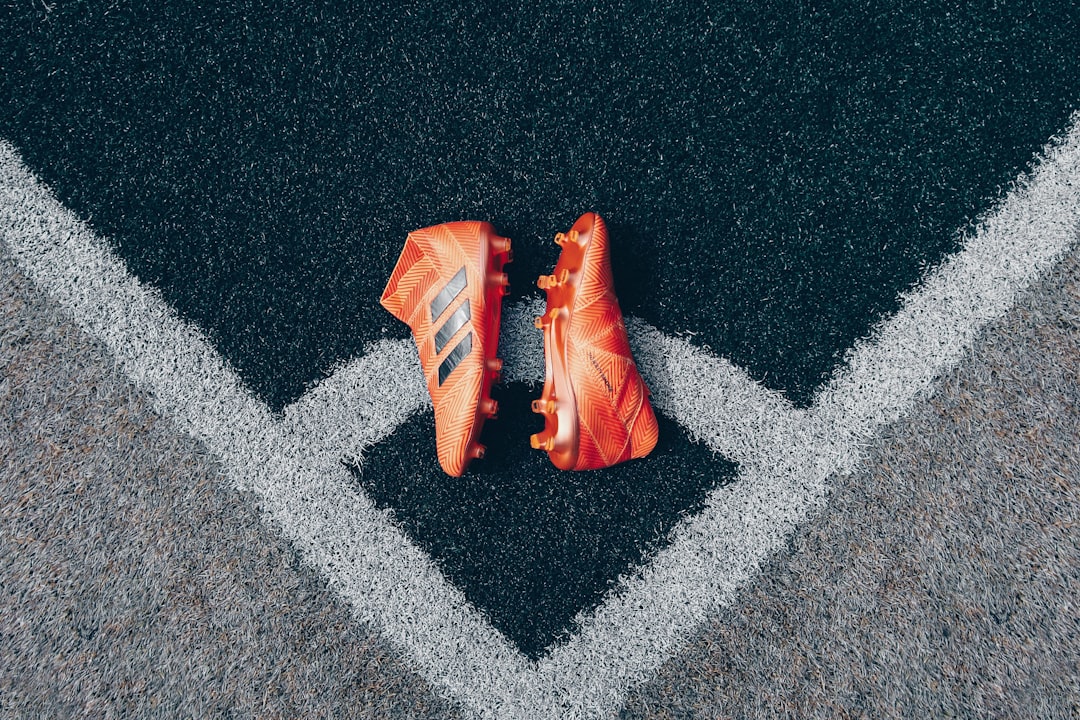
How to Pack for an Away Soccer Game or Tournament
Packing for an away match or tournament is part organization, part checklist and part anticipation. When you travel prepared, you reduce stress, cut down on last-minute miraculously-needed runs, and give yourself the best chance to perform.
This guide walks through what to pack, how to organize gear for efficient arrival and recovery, and tips for goalkeepers and teams. Use it as a step-by-step blueprint to build your own pre-game routine.
Choose the Right Bag
Start with a bag that fits everything and separates wet/dirty items. Look for a bag with a ventilated cleat compartment, interior pockets for small items, and an easy-access top. A purpose-built soccer backpack with a cleat pocket and ball compartment makes pre-game prep simpler—choose one sized right for you or your player, like the Athletico Youth Soccer Bag for younger players or similarly structured adult options.
Pack Essentials First: Documents, Money, and Food
Keep paperwork, travel confirmations, cash/card, and emergency contact info in a small zip pouch at the top of the bag so you can access them without unpacking kit. For snacks and temperature-sensitive items, use an insulated lunch bag to protect food and drinks during travel—especially on long tournament days when nutrition timing matters. A compact cooler or insulated bag helps keep recovery items cold or hot as needed; consider something like the Superio Hot and Cold Insulated Bags.
Clothing & Footwear: Match, Warm-up, and Extras
Organize articles of clothing into zip cubes or plastic bags: match kit (jersey, shorts, socks), warm-up layers, travel clothes, and extras. Always pack:
- Two sets of match socks and shorts.
- An extra jersey in case of spills.
- Cleats matched to playing surface plus lightweight trainers for travel.
- Appropriate shin guards (carry a spare pair or replacement straps) — for adult players, reliable protection matters; see Adult Soccer Shin Guards.
Pack footwear in the ventilated cleat compartment or a separate waterproof sack to avoid contaminating clean clothes.
Goalkeeper-Specific Gear
Goalkeepers should treat packing like an equipment manager: primary gloves, a backup pair, glove care items, padded tops, padded pants, and protective pads. Always bring a dedicated kit for glove maintenance and quick repairs—something to clean and refresh training or match gloves between games is invaluable. Keep glove maintenance supplies together; a glove care kit like Goalkeeper Glove Care Products helps extend grip and performance.
Also pack goalkeeper-specific clothing: a long-sleeve padded goalkeeper jersey and durable pants to protect you when sliding—look in the goalkeeper category for options such as Soccer Goalkeeper Jerseys.
Warm-up & Training Gear to Bring
Bring minimal training gear to stay sharp before matches—speed and touch drills that don’t require a full setup are best. A small set of cones provides immediate structure for warm-ups, footwork, and mobility drills. Lightweight cones pack well and double as field markers for your group. Consider packing a set from the training cones category so you always have a warm-up routine ready: Soccer Training Cones.
Practice Tools for Small Spaces and Downtime
Between matches at tournaments there’s often limited time or space for touch work. Portable rebounders and small nets allow individual players or small groups to work on passing, receiving and finishing without a partner. A compact rebounder fits easily into a team kit and can be used in hotel parking lots or warm-up areas: see options under Soccer Rebounder Nets.
Field & Team Setup: Netting, Goals, and Logistics
If your team helps set up or practices close to fields that lack containment, ball-stop systems and portable barriers save time and reduce lost-ball incidents. A simple ball-stop net system can be wheeled or socketed for quick installation and keeps matches moving—especially useful at multi-field tournaments where loose balls cost time: Soccer Ball Stop Nets.
Travel Tips & Packing Strategy
Pack by priority and frequency of use: daily essentials on top, rarely used items at the bottom. Use small pouches for electronics, personal care, and medical items. Label pouches if you’re packing for multiple players so trainers or parents can grab a needed item fast. For longer trips, use travel-sized detergent and a sink-wash routine to refresh kit overnight.
Organize a pre-trip checklist and a pre-exit check: before leaving the hotel or field, verify match kit, cleats, shin guards, water, snacks, and any mandatory league documents or passes.
Packing Checklist
- Primary and backup match kit (jersey, shorts, socks)
- Cleats and trainers (in ventilated compartment)
- Shin guards and tape/ankle support
- Goalkeeper gloves + backup and glove care supplies
- Insulated bag with snacks and chilled recovery items
- Small first-aid kit: tape, blister pads, disinfectant wipes
- Hydration: water bottle, electrolyte tabs
- Warm-up cones or minimal training gear
- Phone charger, ID, cash/credit, emergency contact info
- Travel clothes and light rain/wind layer
Consider printing or saving a PDF of this checklist on your phone so you can tick items off quickly before departure.
Conclusion
Packing for away games becomes routine with a prioritized kit, good organization, and a small set of versatile training tools. Start with a bag that separates cleats and dirty kit, protect key items like gloves and food with dedicated pouches, and bring compact training tools to keep sharp between matches. The practical takeaway: pack by priority, use small pouches for quick access, and always carry one reliable backup for critical items (shinguards, gloves, footwear).
FAQ
- What’s the single most important item to pack? A backup set of essential protective gear (shinguards or gloves for goalkeepers) so you’re covered if something is damaged or lost.
- How many pairs of cleats should I bring? One match pair and one spare (or trainers) for travel and warm-ups; match one should be broken in, spare can be newer but comfortable.
- How do I keep gloves in good shape during a tournament? Bring basic glove care supplies and a small pouch for them. Using a grip spray or cleaning product between games and letting gloves air dry prevents breakdown—store these supplies together for convenience.
- Can I pack food for long travel days? Yes—use an insulated bag for perishable items and plan snacks that are easy to eat and digest (bananas, sandwiches, energy bars).
- Should I pack training equipment? Bring compact items that double as warm-up tools—cones and a small rebounder are enough to keep touch and rhythm without taking up much space.
- How do I manage wet/dirty kit after the game? Use a separate wet bag or the cleat compartment to isolate dirty items; air out the bag as soon as possible to avoid odors and mildew.
Products Featured in This Article
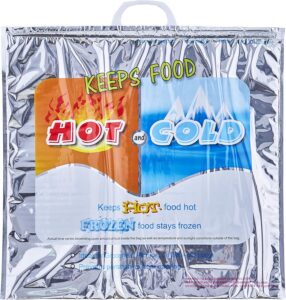
Superio Hot and Cold Insulated Bags…
From the brand Closet Organization Laundry Organization Trash Cans Home Cleaning Kitchen Cleaning Food Storage Outdoor…
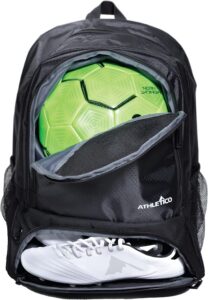
Athletico Youth Soccer Bag – …
Product description Athletico League Youth Soccer Backpack | Holds Soccer Ball / Basketball / Volleyball +…