
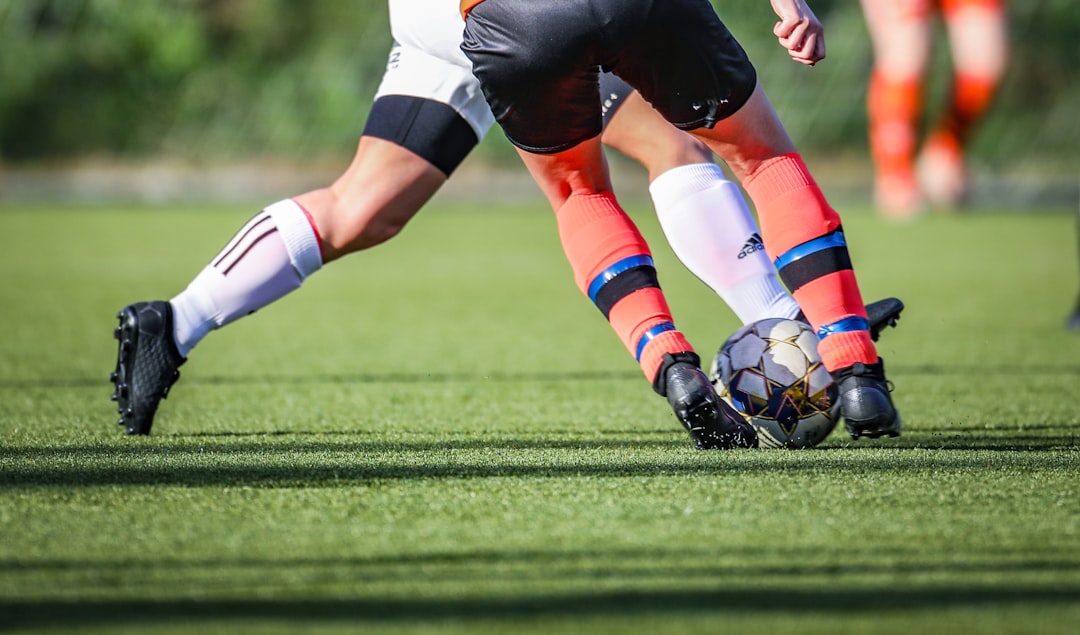
How to Help Young Players Recover After Soccer Practice
Young players push hard at practice: short sprints, repeated changes of direction, tackles and technical drills. Recovery after a session is where adaptation happens — muscles repair, energy stores replenish, and good habits form the foundation for fewer injuries and better performance.
This guide gives clear, practical steps parents and coaches can use right after practice and in the following 48 hours. Each step focuses on simple routines, equipment that helps, and small habits that make a measurable difference.
Start Smart: The First 15 Minutes
The initial post-practice window is critical. Encourage a 5–10 minute active cooldown: slow jog to bring heart rate down, then 5–10 minutes of dynamic-to-static stretching targeted at calves, hamstrings, quads and hips.
Immediately after, use ice for acute soreness or swelling and light heat for tightness later in the day. Keep a small kit in your bag so you can apply ice or a cold pack quickly — insulated carriers work well for transporting cold supplies between home and field: Superio Hot and Cold Insulated Bags.
Cooldown Drills That Aid Recovery
Cooling down doesn’t have to be passive. Low-intensity ball work improves circulation and keeps technical touch sharp without stressing the body. Simple passing sequences, controlled dribbling and light shooting are ideal.
Use small, spaced drills to guide movement and avoid chaotic play. Practice sets with cones help structure a gentle technical cooldown: Soccer Training Cones are a simple tool to set up passing lanes, figure-eight turns or light dribbling circuits that aid recovery.
Active Mobility and Footwork Sessions
Two or three times per week, add 5–10 minutes of low-impact mobility and footwork after practice. This improves ankle and hip range, reduces stiffness, and helps young athletes maintain coordination when fatigued.
Light ladder drills done at controlled speed are an excellent option — they train foot speed without maximal forceful contact: Soccer Agility Ladders. Keep sets short and relaxed; emphasize clean technique and posture rather than speed.
Nutrition and Hydration: The Recovery Essentials
What players eat in the hour after practice matters. Aim for a mix of carbohydrates and protein within 60 minutes to start muscle repair and replenish glycogen. Examples: a turkey sandwich, yogurt with fruit, chocolate milk, or a protein smoothie with banana.
Hydration should begin during practice and continue with electrolyte-rich drinks or water afterward. Pack snacks and drinks conveniently in a team or personal bag so players have access right away: Athletico Youth Soccer Bag makes it easy to carry spare shoes, fluid and recovery snacks.
Managing Soreness and Minor Aches
Mild muscle soreness (DOMS) is normal after intense sessions. Strategies that help include active recovery (easy cycling, walking), gentle stretching, foam rolling for 5–10 minutes, and contrast baths when available.
If a player has ankle soreness or mild instability during the recovery phase, compression or a support sleeve can reduce discomfort and speed functional return: consider a youth-specific support like NMK Kids Compression Ankle Brace Youth Ankle Support.
Equipment Care and Preventive Maintenance
Keeping protective gear functional prevents small issues from becoming problems. Check studs, laces, and shin guards for wear. Shin guard sleeves keep protectors in place and reduce chafing — useful for young players who shift during play: Soccer Shin Guard Sleeves.
Goalkeepers should include glove care in their recovery routine — cleaning, drying and using grip-restoring products extends glove life and ensures reliable performance: Goalkeeper Glove Care Products.
When to Rest and When to Return
Monitor players for signs that they need extra rest: persistent sharp pain, significant swelling, limping, dizziness, or fever. For routine soreness, schedule an easy day or active recovery. For anything beyond a few days of worsening pain, refer to a healthcare professional.
Plan training loads to include lighter sessions and full rest days. Young bodies respond well to progressive increases; abrupt volume jumps are a common cause of overuse injuries.
Use the Right Tools to Support Recovery
There are simple training tools that double as recovery aids. For example, rebound nets can be used for light technical reps that mobilize the upper body and shoulders after practice without sprinting or contact: Soccer Rebounder Nets.
Quick Checklist for Post-Practice Recovery
- Active cooldown: 5–10 min jog + 5–10 min stretching or mobility
- Refuel within 60 minutes: carbs + protein
- Rehydrate with water and electrolytes
- Apply ice to swollen or painful areas; heat for tight muscles later
- Do a short foam rolling or mobility session (5–10 min)
- Check and store equipment properly (clean gloves, dry shin guards)
- Keep recovery supplies in a bag: snacks, water, ice packs — try Superio Hot and Cold Insulated Bags or a sturdy sports bag
FAQ
-
Q: How long should a cooldown be?
A: Aim for 10–20 minutes total (light aerobic + stretching and mobility). -
Q: Are ice baths necessary?
A: Not necessary for all players. Short cold packs for acute soreness/swelling are usually sufficient. -
Q: When should a sore player sit out a practice?
A: Remove players with sharp pain, swelling, or limited weight-bearing; consider rest for persistent moderate pain until evaluated. -
Q: What tools help with gentle technical recovery?
A: Low-intensity passing drills, rebound nets and small cone setups help; see options like Soccer Training Cones and Soccer Rebounder Nets. -
Q: How can parents help on non-practice days?
A: Encourage sleep, provide balanced meals, monitor soreness, and schedule low-impact activities like swimming or cycling.
Conclusion
Recovery for young soccer players is a combination of immediate routines, sensible nutrition, equipment care and planned rest. Small, consistent habits — a deliberate cooldown, a quick post-practice snack, and checking gear — reduce injury risk and help players feel ready for the next session. Pack a recovery kit in a reliable bag, keep supports on hand for vulnerable ankles, and use light technical tools to mobilize the body without strain.
Practical takeaway: build a short, repeatable post-practice checklist (cooldown, refuel, hydrate, check gear) and keep those recovery supplies ready in a bag so recovery becomes automatic.
Products Featured in This Article
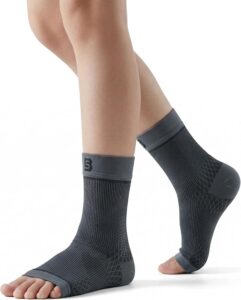
NMK Kids Compression Ankle Brace Yo…
Designed specifically for growing feet and high-energy lifestyles, these ankle compression sleeves deliver gentle yet effective…
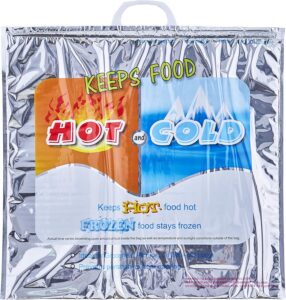
Superio Hot and Cold Insulated Bags…
From the brand Closet Organization Laundry Organization Trash Cans Home Cleaning Kitchen Cleaning Food Storage Outdoor…
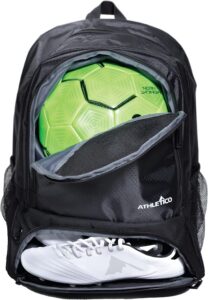
Athletico Youth Soccer Bag – …
Product description Athletico League Youth Soccer Backpack | Holds Soccer Ball / Basketball / Volleyball +…