
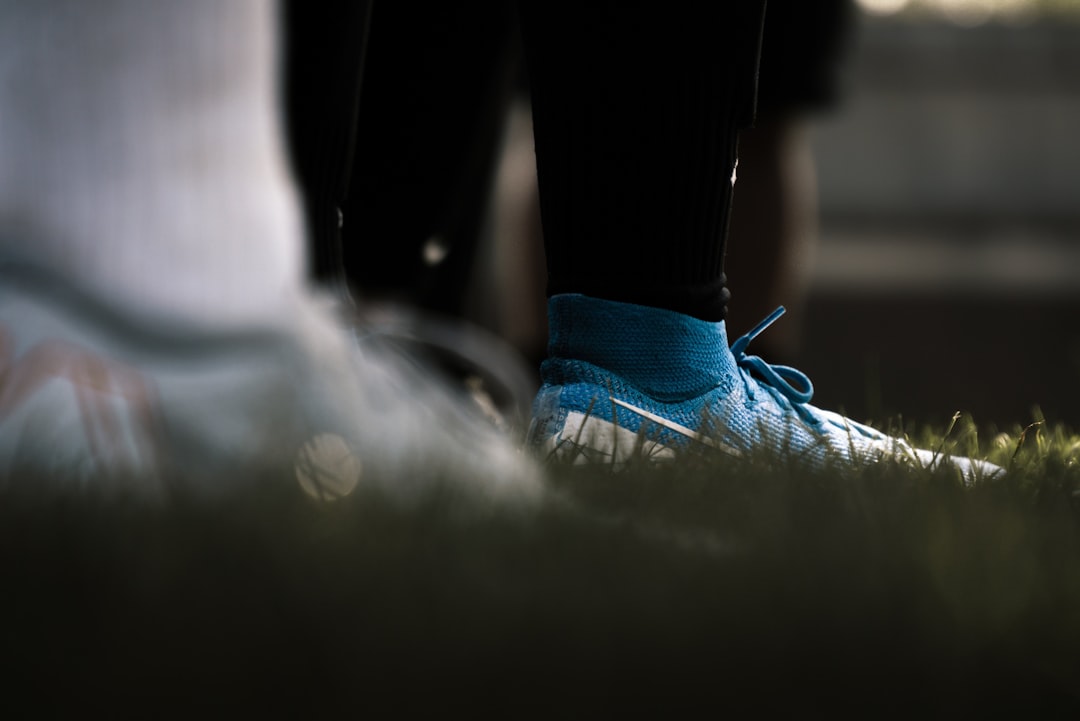
Clean soccer cleats not only look better — they perform better and last longer. A simple routine after every session prevents buildup that damages materials, degrades traction, and shortens the life of your shoes. This guide gives clear, practical steps to clean, dry, store, and maintain cleats so they stay match-ready.
If you need gear or storage solutions while maintaining your cleats, check options at Soccer Gear Scout to find items that make care and transport easier.
Why cleaning and maintenance matter
Cleats face mud, turf rubber, salt, and sweat. Left unchecked, those elements can separate glue lines, break down leather or synthetics, and wear studs unevenly. Keeping cleats clean preserves grip and reduces injury risk caused by unpredictable traction. It also saves money: well-maintained cleats last seasons instead of months.
What you’ll need
Gather a few basic tools before you start: a soft-bristled brush or old toothbrush, a cloth, mild soap or saddle soap (for leather), warm water, a dull knife or stick for dried mud, newspaper or shoe trees for drying, and a ventilated bag or backpack for storage. If you travel with your gear a lot, consider an equipment bag with a separate cleat compartment to keep them aired and isolated from clean clothes — for example, the Athletico Youth Soccer Bag is made for that purpose.
Quick post-game cleanup (3–5 minutes)
Do this immediately after practice or a match to prevent stains and mud hardening:
- Knock off excess mud with the sole against a hard surface or use a stick. Avoid scraping aggressively with metal tools that can damage studs.
- Wipe the upper with a damp cloth to remove surface dirt.
- Open the tongue, remove insoles and laces, and let everything air out in a dry spot.
If you use focused technical gear like dribbling trainers or small-space tools, you’ll still want to do this same quick routine after those sessions — repeated light cleanings prevent buildup that becomes harder to remove later.
Deep cleaning for caked mud, grass stains, and salt
When cleats are heavily soiled, use a more thorough process:
- Remove laces and insoles. Brush loose dirt from the outsole and studs first.
- Mix warm water with a small amount of mild detergent. For leather, use a leather cleaner or saddle soap; for synthetics, mild dish soap works fine.
- Dip your brush or cloth in the solution and scrub the upper and outsole. Use a toothbrush for seams, eyelets, and grooves in the sole.
- Rinse the cloth and wipe away soap residue. Do not submerge cleats unless manufacturer instructions allow it.
- For stubborn salt or grass stains, repeat gently or use a paste of baking soda and water applied briefly, then wiped away.
Fields and training equipment like practice walls and training mannequins expose cleats to varied dirt types; deep cleaning after sessions on heavy-mud fields prevents long-term damage.
Drying and storage: do it right
Never dry cleats on direct heat (radiators, ovens, hairdryers) — heat warps glue and leather. Instead:
- Stuff shoes with newspaper to absorb moisture and help maintain shape; replace paper as it becomes damp.
- Air-dry at room temperature in a ventilated area out of direct sunlight.
- Reinsert dry insoles and laces when completely dry and store cleats in a ventilated bag or separate compartment to avoid mildew and odor transfer. A bag designed for sports gear, like the previously mentioned Athletico Youth Soccer Bag, makes transport and drying easier.
Maintaining studs, outsoles, and traction
Check studs and soles weekly during heavy use. Remove embedded turf rubber with a brush and pick out stones or glass with a tool. For molded studs, a firm brush and water are usually enough; removable studs should be tightened and replaced if stripped.
Different drills and training surfaces wear studs differently — tight-footwork and ladder drills (commonly practiced with equipment like the agility ladder) put repeated pressure on the same parts of the sole. Rotate cleats between practice and matches to even out wear and extend life.
Caring for materials: leather vs synthetic
Leather cleats require different care than synthetics:
- Leather: clean with saddle soap or mild cleaner, condition lightly with leather conditioner to prevent cracking, and avoid soaking. Conditioning keeps leather supple and preserves touch on the ball.
- Synthetic: these tolerate more water and can be cleaned with mild detergent. Avoid harsh solvents that strip coatings.
- Always follow the manufacturer’s care guidelines when available.
If you have other specialized gear — for example, goalkeeper gloves — use products designed for them rather than applying cleat cleaners. See glove-specific care options in the Goalkeeper Glove Care Products section for examples.
Also care for other gear and storage items
Cleats are part of your kit. Clean and store shin guards, socks, and gloves properly to prevent odors and cross-contamination. For gloves, specific grip restorers like the Gloveglu MEGAgrip are formulated for glove palms and shouldn’t be used on shoes; use the right product for each item.
When to repair or replace cleats
Small issues — loose stitching, worn studs, minor sole separation — can often be repaired. Major glue failures, large tears, or a permanently flattened midsole mean it’s time for a replacement. Keep an eye on grip and comfort: if traction is compromised or the shoe no longer supports your foot properly, replace it to avoid injury.
Quick checklist
- After every use: knock off mud, wipe uppers, air out insoles and laces.
- Weekly or after heavy use: deep-clean with mild soap; clean soles and studs.
- Never dry with direct heat; use newspaper and air-dry in shade.
- Rotate cleats for training vs matches to reduce wear.
- Store in a ventilated bag; keep clean clothes separate from cleats.
FAQ
Q: Can I put my cleats in the washing machine?
A: No. Machine washing risks heat damage, glue separation, and deformation. Stick to hand cleaning.
Q: How often should I recondition leather cleats?
A: Condition lightly every few months during heavy use, or whenever the leather feels dry. Less often for occasional players.
Q: My cleats smell bad — what helps?
A: Remove insoles, dry thoroughly, and use baking soda or odor absorbers. Ensure storage bags are ventilated and clean socks before storing with shoes.
Q: Are there cleaners that work for both leather and synthetics?
A: Mild soap and water are safe for both, but leather benefits from dedicated leather cleaners and conditioners. Always test in an inconspicuous spot first.
Q: How can I prevent turf rubber from sticking in the studs?
A: Clean soles with a stiff brush after each turf session; use a toothpick or wooden tool for grooves. Regular cleaning prevents buildup that’s harder to remove later.
Conclusion
Consistent, simple care — quick wipes after games, weekly deep cleans, correct drying, and smart storage — keeps cleats performing and lasting longer. Make a short post-practice routine part of your standard kit handling and your cleats will repay you with better traction, touch, and longevity.
Products Featured in This Article
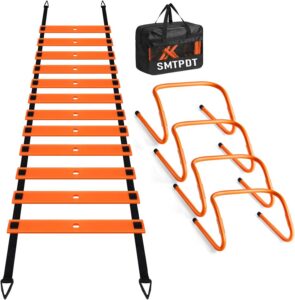
Agility Ladder,Soccer Training Equi…
Newly Upgraded Durable Hurdles–Stronger & More Reliable:We’ve upgraded our agility hurdles with premium materials and a…
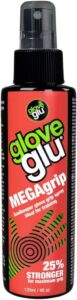
Gloveglu MEGAgrip Goalkeeper Glove …
25% stronger than the original for maximum grip revival. Revive your old gloves. Improve your new….
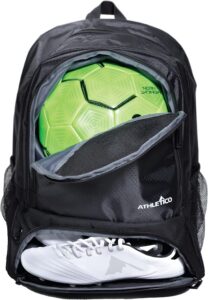
Athletico Youth Soccer Bag – …
Product description Athletico League Youth Soccer Backpack | Holds Soccer Ball / Basketball / Volleyball +…