
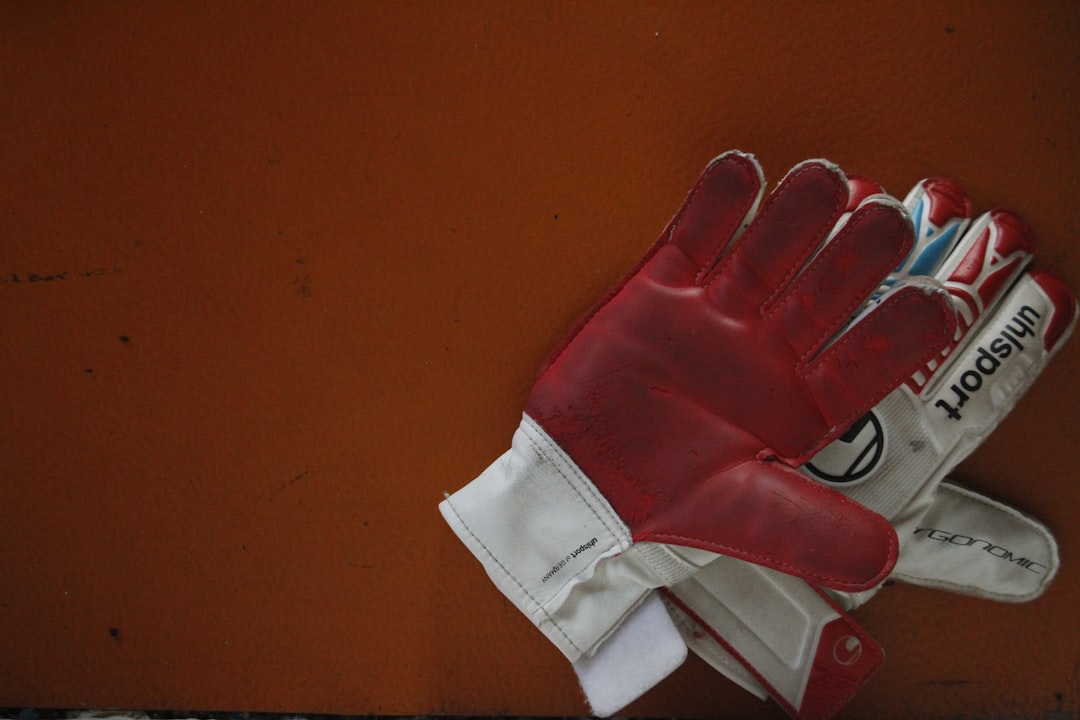
How to Choose and Care for Goalkeeper Gloves
Choosing the right goalkeeper gloves and keeping them in top condition is one of the best ways to improve performance and extend the life of your kit. A well-fitted, well-maintained glove protects your hands, boosts confidence when catching, and saves you money over a season.
This guide walks through the practical steps for selecting gloves that suit your style and level, then explains straightforward care and storage routines that preserve grip and comfort.
Why gloves really matter
Gloves are more than padding and latex—they’re the interface between you and the ball. The right glove improves grip on wet and dry balls, cushions impact, and can reduce finger injuries. If you’re shopping for a reliable model to try, consider a proven option like the Renegade GK Fury Goalie Gloves—they illustrate features to look for at different price points.
Getting the fit right: sizing and feel
Fit is the single most important factor. Gloves that are too tight reduce circulation and comfort; too loose and the ball can slip inside the palm. Measure your dominant hand across the palm (excluding the thumb) and compare with the manufacturer size chart. Try gloves on with and without roll tape or finger tape, because many keepers add tape for protection and that changes the fit slightly.
When trying a glove on, check these points:
- Fingers should reach the end but not curl; some natural tension is fine.
- Palm should feel snug with no large gaps between latex and skin.
- Wrist closure should secure the glove without cutting circulation.
Palm materials and grip types
Latex is the standard for palms; different latex compounds suit different budgets and conditions. Entry-level latex performs well on dry surfaces but wears faster. Premium foams have better wet-grip and cushioning but cost more and can be sensitive to abrasive surfaces.
Grip-enhancing products can refresh tack and extend usable life between replacements. A dedicated option like the Gloveglu MEGAgrip Goalkeeper Glove Grip Spray is formulated to revive tackiness without damaging latex; use sparingly and follow product directions.
Cut styles: how shape affects performance
Cut refers to how the glove is stitched and how the latex sits around the fingers. Common cuts:
- Flat cut — traditional, roomy palm area for controllers and distribution.
- Roll finger — latex rolls over the fingertips for maximum contact and grip.
- Negative cut — seams inside for a tight, close-to-finger feel favored by keepers who prefer precision.
- Hybrid cuts — combine features (e.g., roll fingers with negative seams) to balance feel and surface area.
Choose a cut that matches your style: more surface area for reflex saves, tighter fit for throws and ball control.
Protection: finger saves, tape, and padding
If you face high-velocity shots or play in competitive matches, finger protection systems (spines) can prevent hyperextension. Some keepers prefer removable/replaceable spines while others favor glove models without them for a softer feel.
For additional support or when training, top-up protection with items like Goalkeeper Finger Protection Tape—it helps stabilize joints while keeping movement reasonable. For straightforward, multi-purpose taping you can use an athletic tape option such as OK TAPE 8 Rolls Athletic Tape for fingers or thumbs during intense sessions.
Materials, build quality and accompanying kit
Good build quality means even seams, durable wrist closures, and consistent latex across the palm. Reinforced palms or double-stitched seams at stress points add longevity. If you’re assembling a full keeper kit, consider matching gloves with appropriate apparel—padded jerseys and pants help absorb impacts and extend glove life by reducing the need for excessive sliding on worn surfaces.
Explore goalkeeper clothing options such as Soccer Goalkeeper Jerseys and Soccer Goalkeeper Pants to complete a protective, performance-oriented setup.
Caring for gloves: cleaning, drying, and storage
Gloves last longer when you adopt a consistent care routine. After each session rinse off loose dirt with cool water—no heavy scrubbing. For a deeper clean, use dedicated products in small amounts rather than household detergents, which can dry out latex and shorten life. A practical kit option is a specialized category like Goalkeeper Glove Care Products, which typically includes gentle cleansers and protective sprays formulated for latex.
Drying tips:
- Never use direct heat (radiator, tumble dryer) or sunlight—heat degrades latex.
- Pat dry with a towel, then air-dry palms facing down in a ventilated space.
- Store with palms together or flat, away from abrasive surfaces and chemicals.
Training smart: drills and tools to test glove performance
Regular training helps you understand how a glove performs in match conditions. Use rebound equipment to simulate variability in rebounds and improve reaction saves. For example, a rebounder net is ideal for catching drills and volley control: try a product like the Soccer Rebounder Nets for consistent repetition and to test grip on unpredictable bounces.
Other drills to practice with gloves:
- High-ball crosses: practice catching under pressure with a cross and quick distribution.
- Reaction volleys: partner passes into a rebounder to simulate odd-angle deflections.
- Diving saves on soft surfaces: build confidence with progressive intensity to avoid premature latex wear on abrasive training surfaces.
When to replace gloves
Replace gloves when the latex has lost tackiness despite cleaning and revivers, when tears compromise protection, or when seams begin to open. For keepers who play several times a week, expect to replace premium match gloves every few months; less frequent players can stretch that to a season with careful rotation and care.
Quick checklist: choosing and caring for gloves
- Measure palm and try multiple cuts for fit before buying.
- Pick latex appropriate for your typical conditions (wet vs. dry).
- Use tape or finger protection for added joint support as needed.
- Rinse after every use; deep-clean with dedicated glove care products weekly.
- Air-dry away from direct heat, store flat or with palms together.
- Rotate training and match gloves to prolong life.
- Test gloves in game-like drills using rebound nets to evaluate grip under pressure.
FAQ
- How often should I clean my gloves? Rinse after each session and do a gentle, deeper clean with a glove-specific product weekly or after very dirty sessions.
- Can I use regular detergent on gloves? No—household detergents can dry and degrade latex. Use products designed for goalkeeper gloves.
- Are finger-saves necessary? Not for every keeper; they offer protection for high-impact play or if you’ve had finger injuries, but they reduce natural feel for some keepers.
- How do I keep gloves tacky in wet weather? Choose wet-weather latex and use grip revivers designed for gloves; drying and storage are still crucial.
- Is it worth having multiple pairs? Yes—rotate between a match pair and a training pair to extend life and maintain consistent performance during games.
Practical takeaway: prioritize fit and palm type for your playing conditions, protect fingers if needed, and adopt a simple cleaning and storage routine. With the right choices and consistent care you’ll get better performance and longer service from every pair of gloves.
Products Featured in This Article
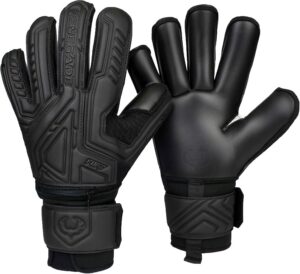
Renegade GK Fury Goalie Gloves with…
Product description Best In Class Finger Protection & Punch Performance Endo-Tek Pro FingersavesDuraTek 4+2MM Latex Backhand6D…
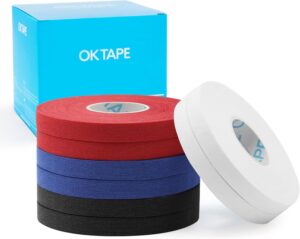
OK TAPE 8 Rolls Athletic Tape, 0.3 …
Product description Our Sports Tapes Size 0.3″ x 45′, 8 Rolls, non-stretch Size 1.5″ x 45′,…
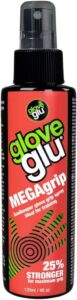
Gloveglu MEGAgrip Goalkeeper Glove …
25% stronger than the original for maximum grip revival. Revive your old gloves. Improve your new….