
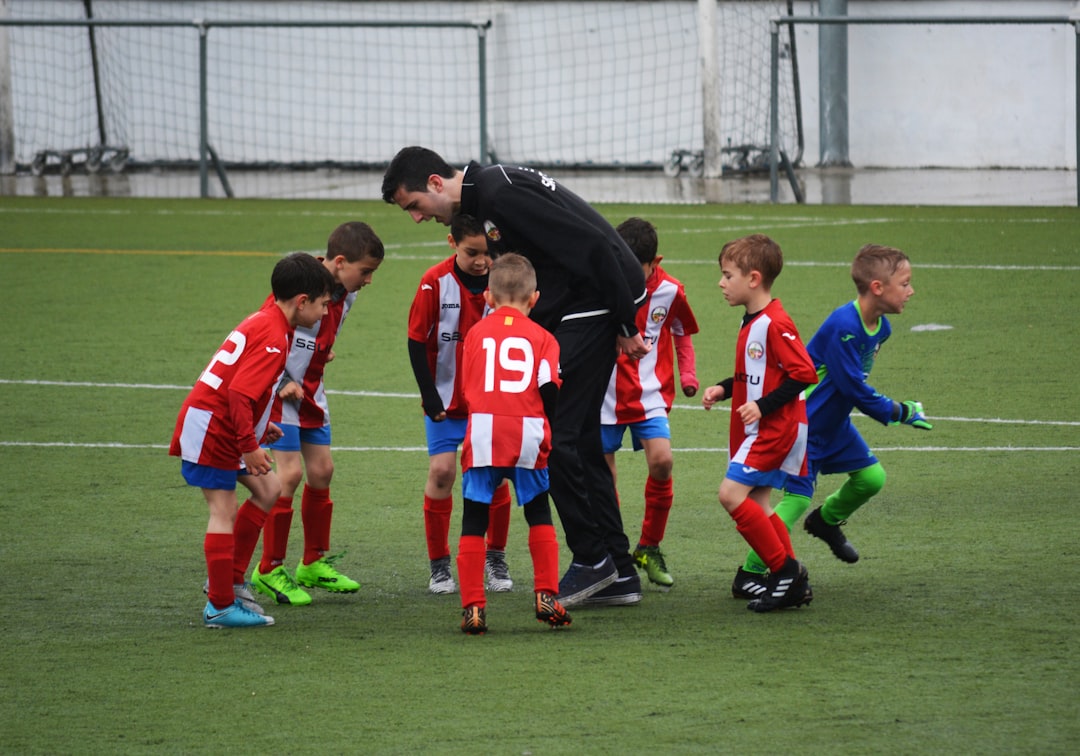
How Parents Can Support Young Soccer Players Without Adding Pressure
Watching your child develop as a soccer player is rewarding—and it can be tempting to push hard because you want the best for them. The difference between helpful support and added pressure is how you show up, what you emphasize, and how you set expectations.
This article gives practical strategies parents can use to encourage growth, keep soccer enjoyable, and build habits that last without turning every practice or game into a stress test.
Set realistic, process-focused goals together
Shift the conversation from results (wins, team placement) to process goals like touch count, weak-foot practice, or decision-making under pressure. Break longer-term goals into clear short steps so progress is visible and measurable. Consider tools that structure incremental progress—training packages like speed and agility sets can give a concrete way to track improvements in footwork and acceleration over weeks without emphasizing game-day outcomes.
Prioritize fun and intrinsic motivation
Young players who love the game work harder and stay longer. Create playful drills—small-sided games, knockout, or creativity challenges—that reward creativity and risk-taking. Simple equipment such as training cones helps you set up varied, fun obstacle courses and relay drills in minutes, so practice stays fresh and focused on enjoyment instead of pressure.
Keep practices short and laser-focused
Long sessions can overload concentration and make players resent training. Aim for short, focused pockets (15–30 minutes) that target one skill—first touch, passing under pressure, or ball control. Portable tools like agility ladders are ideal for quick footwork circuits that improve coordination without creating a high-stakes atmosphere.
Encourage autonomy and small problem-solving moments
Let your child choose drills or design parts of practice sometimes. When players make decisions and correct themselves, they learn faster and feel ownership. Dribbling-focused aids such as dribbling trainers let kids experiment with moves on their own and build confidence in a low-pressure setting.
Be supportive on the sideline—avoid coaching during games
Sideline coaching during matches often increases anxiety and reduces players’ ability to think independently. Offer encouragement, celebrate effort, and keep tactical feedback for later. If your child wants to practice ball control or passing at home, a backyard rebound tool such as rebounder nets provide repetitive touches without needing another person, which can help them build confidence quietly between practices.
Keep safety and recovery simple and consistent
Physical well-being prevents setbacks that create pressure. Make sure shin guards fit, shoes are appropriate, and rest is part of the routine. Invest in proper protective gear—especially for younger players—like reliable youth shin guards to reduce injury risk and help players focus on skill development rather than pain or fear.
Balance intensity with rest and variety
Rotate training focus through the week (technical, tactical, speed, recovery). Avoid a single-minded push toward one metric. Including light, playful speed work a few times a week—using simple hurdles—keeps conditioning positive rather than punitive. Consider integrating speed hurdles into short sessions to build coordination and speed in an encouraging, game-like format.
Treat equipment as tools to build independence, not as prizes
Buying gear is useful when it supports consistent practice and skill-building—not when it becomes a reward for performance. Choose items that encourage at-home development. Goalkeepers, for example, benefit from having the right gloves to practice catching and comfort; specialized options like these goalkeeper gloves help keep practice productive and safe.
Checklist: Quick actions parents can take this week
- Ask your child what they want to improve and set one short, measurable goal together.
- Design two 20-minute at-home sessions using cones or an agility ladder.
- Swap sideline coaching for two words of encouragement every substitution.
- Check equipment fit—especially shin guards—and replace worn gear.
- Schedule one full rest day and one fun, unstructured play session each week.
FAQ
Q: How do I praise effort without sounding like I’m lecturing?
A: Use specific, brief praise focused on process: “Nice patience on that pass,” or “Great first touch.” Avoid comparisons to others or vague platitudes.
Q: My child gets nervous before games—what helps most?
A: Create a short pre-game routine that emphasizes breath, a positive phrase, and one technical focus (e.g., “good first touch”). Keep the routine consistent so it becomes calming.
Q: Should I buy extra training gear if my child wants to improve?
A: Buy gear that solves a clear practice need—portable items that increase repetitions, like a rebounder or cones, are better investments than novelty items. For balanced training, consider a speed and agility set to cover multiple skills.
Q: How can I tell if I’m adding pressure unintentionally?
A: Notice changes in your child’s enjoyment, sleep, appetite, or eagerness to play. If they hesitate to practice or express fear of disappointing you, dial back expectations and emphasize fun.
Q: What is a simple at-home drill my child can do alone?
A: A touch-and-retrieve routine with a rebounder is effective: pass the ball into the rebounder, control the return with one touch, and pass back. Repeat in sets to train decision-making under rhythm. A compact rebounder net makes this easy.
Conclusion
Support that empowers rather than pressures is specific, steady, and centered on the player’s goals and enjoyment. Use short, focused practice, celebrate effort, ensure safety, and treat equipment as tools for independence. Those small, consistent choices help young players improve—and keep loving the game.
Products Featured in This Article
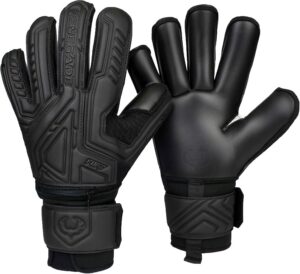
Renegade GK Fury Goalie Gloves with…
Product description Best In Class Finger Protection & Punch Performance Endo-Tek Pro FingersavesDuraTek 4+2MM Latex Backhand6D…