
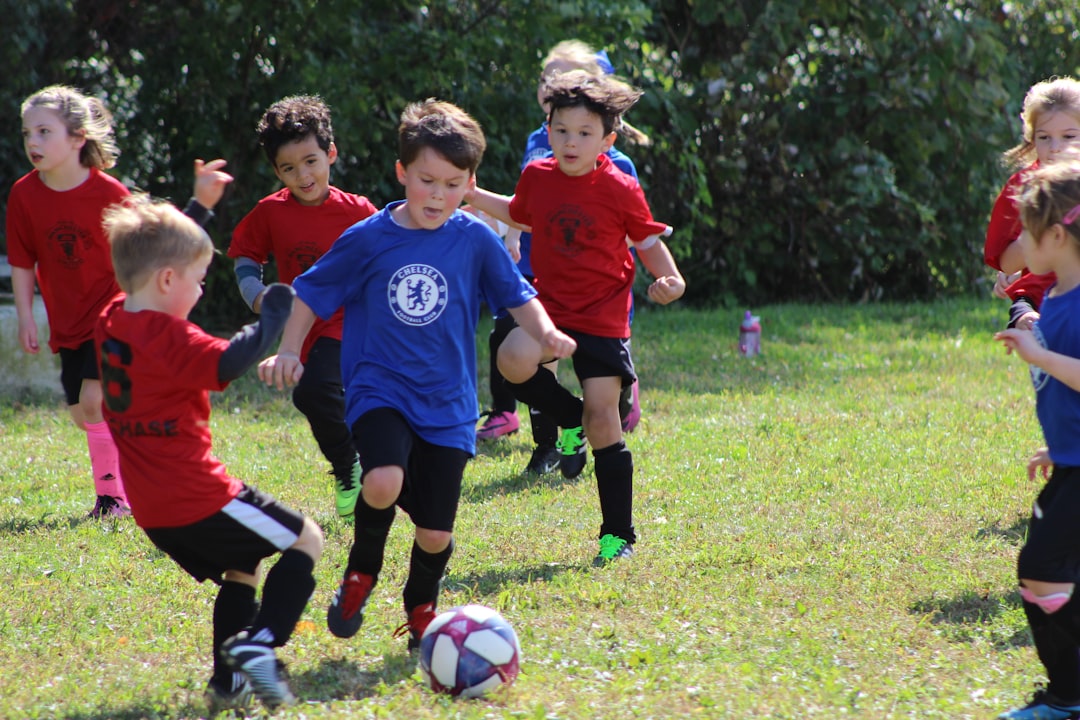
Organized practice is the backbone of player development and team cohesion for youth soccer. Coaches who plan with clarity—objectives, equipment, timing, and progression—get more out of every minute on the field and build confidence in their players.
This guide gives practical, field-tested routines and checklists you can use immediately. It focuses on realistic setups, simple drills, and equipment choices that streamline transitions and keep players engaged.
1. Set clear objectives and a timed structure
Start every session with a written objective: what skill should improve by the end of practice? Limit objectives to one primary focus (e.g., dribbling under pressure, accurate crossing, possession) and one secondary (e.g., conditioning or finishing). Design a timeline and stick to it—young players need variety and momentum.
- Example 60-minute practice: 10 min warm-up, 20 min skill stations, 15 min small-sided play, 10 min finishing/competitive drill, 5 min cooldown/feedback.
- Use a visible clock and give 2-minute warnings before each transition to build punctual habits.
2. Inventory and organize essential equipment
Before arriving at the field, gather what you need and arrange it by station. Grouping gear into coach bags and labeling zones cuts setup time and eliminates mid-session scrambling.
Cones are the most versatile piece of gear for marking lanes, gates, grids and goals. A pack that’s easy to carry and replace will speed layout and transitions: Soccer Training Cones.
3. Efficient warm-ups that prepare movement and focus
Warm-ups should be dynamic, soccer-specific, and short. Combine mobility with ball work to prime both body and mind. Simple ladders and light hurdles activate coordination and neuromuscular readiness.
A basic progression: 3 minutes jogging and dynamic stretches, 4 minutes ladder or quick-feet work, 3 minutes paired passing while moving. Portable ladders are ideal for quick-foot drills and footwork circuits: Soccer Agility Ladders.
4. Design skill stations with progression and purpose
Three-station rotation keeps numbers manageable and ensures repeated touches. Each station should have a clear task, a measurable target, and an easy progression. Example stations for 9–12 year-olds:
- Station A — Dribbling under pressure: 1v1 gates, finish with shot on small target.
- Station B — Passing and receiving: quick one-touch passing in triangle, then switch to longer first-touch passes.
- Station C — Crossing and finishing or set-piece practice.
Use targeted equipment to sharpen repeats. For close-control and coaching feedback, dribbling-specific tools let players work on technique and speed in compact spaces: Soccer Dribbling Trainers.
When teaching free-kicks and wall scenarios, mannequins create consistent obstacles and help practice placement and decision-making: Soccer Training Mannequins.
5. Shooting, passing accuracy and rebound-based drills
To develop first-touch and finishing, use rebound tools or a partner wall to increase reps. Rebound nets let players practice receiving unpredictable returns and sharpen reaction time—great for finishing and goalkeeper work:
Soccer Rebounder Nets are useful for one-player drills, rapid-fire shooting, and goalkeeper handling practice when a partner isn’t available.
Structure shooting drills with clear success criteria (e.g., 3 shots on target out of 5, or a 20-second finishing sprint), and rotate players quickly to maintain intensity.
6. Conditioning and speed work that supports soccer skills
Short, intense bursts mimic match demands more effectively than long continuous runs. Integrate speed ladders, shuttle runs, and low hurdles into quick circuits between skill stations.
Speed hurdles add a coordinated plyometric element that improves stride turnover and knee lift, which transfers to faster sprints and better agility on the ball: Soccer Speed Hurdles.
Keep conditioning soccer-specific: always finish a sprint or hurdle sequence with a ball action (e.g., receive and pass) to cement skill under fatigue.
7. Field layout, goals, and safety checks
Make a field diagram showing cones, goals, and station boundaries. Place gear where it won’t be tripped over and keep coaching areas separate from player lanes. For portable goals, secure them to prevent tipping and check anchors and nets before use.
Heavy winds or unsecured nets are a danger. Invest in reliable anchors and ball-stopping systems for busy fields and parent-heavy sidelines. If you use portable goals, consider secure anchoring options such as Soccer Goal Anchors and use perimeter netting to protect spectators and vehicles: Soccer Ball Stop Nets.
8. Communication, feedback, and session review
Use short, specific coaching cues. Limit verbal corrections during repetitions; instead give one technical focus and one tactical focus per rotation. After each drill, offer quick group feedback (30–60 seconds) highlighting one improvement and one next-step for each player.
End practice with a two-question review: “What did we do well?” and “What will you try next practice?” This reinforces accountability and helps you plan follow-ups.
Quick setup checklist
- Written objective and timeline posted where players can see it.
- Gear packed into labeled bins (cones, ladders, hurdles, balls, pinnies).
- Field diagram and station map printed or on phone.
- Anchors and nets checked and secured before arrival.
- Substitution and rotation plan to keep touches balanced.
- Emergency contact list and basic first-aid kit accessible.
FAQ
- How long should each station last? For youth teams, 8–12 minutes per station is optimal—enough for repetition without boredom.
- How many coaches are needed? One coach can run a practice for small groups (8–12). Add an assistant for larger groups to keep attention high and rotations smooth.
- What if equipment is limited? Reduce station count and use cone-based variations. One rebounder or net can be shared on a timer for shooting reps.
- How do I measure progress? Track simple metrics like successful passes per minute, shots on target, or 1v1 wins over several sessions and note improvement.
- How do I keep players engaged? Short drills, competitive elements (small rewards or points), and rotating roles (e.g., leader, goalkeeper) maintain high energy.
Conclusion — practical takeaway
Organized youth practice is about preparation, compact drills, and controlled progression. Use clear objectives, a timed plan, and a small set of reliable tools to maximize touches and learning. Before your next session, create a one-page plan and a packed gear bag—those two steps alone will transform efficiency and player experience.