

A Parent’s Guide to Soccer Sideline Etiquette
Sideline behavior matters. Parents shape the environment that young players experience—calm, positive sidelines help kids focus, enjoy the game, and learn. This guide gives clear, practical rules and examples so you can support your child without distracting teammates, referees, or coaches.
If you want gear or training tools to encourage practice off the field, start with trusted resources from Soccer Gear Scout to outfit your family for effective, safe training sessions.
1. Know the Sideline Boundaries
Stay behind the designated sideline and out of the technical area. This keeps coaches and referees free to do their jobs and reduces the chance of collisions with players or balls. If balls are repeatedly going out of play near your group, suggest a permanent or temporary barrier to your league organizer—for club practices or backyard drills, a Ball Stop Net System with Wheels can reduce disruptions and speed play back up safely.
2. Support, Don’t Coach
Kids hear everything on the sideline. Positive, simple encouragement—praise for effort, smart reminders like “keep your head up”—helps. Avoid giving tactical instructions that conflict with the coach. If your child needs extra reps, offer to organize short, focused practices at home using tools such as Soccer Training Cones to develop footwork and spatial awareness.
3. Respect the Referees and Coaches
Officials and coaches are volunteering time and making fast decisions. Accept calls without arguing. If an issue persists—safety concerns, repeated rule confusion—address it after the game in a calm, private conversation with the coach or league administrator. Modeling respectful conflict resolution teaches your child how to handle disagreements constructively.
4. Manage Warm-Ups and Practice on the Sideline
Warm-ups should be organized and away from the active playing area. Encourage players to warm up in a designated zone so they don’t interfere with the match. If your team wants to run quick footwork drills before or after a game, consider portable tools like Soccer Agility Ladders to keep drills compact, safe, and effective.
5. Prioritize Safety and Proper Gear
Check that players have required protective gear before kickoff—shin guards and proper footwear are non-negotiable. Encourage parents to buy age-appropriate options so kids are comfortable and protected. A quick, visible reminder: every child should wear Youth Soccer Shin Guards during practices and matches to reduce injury risk from collisions and tackles.
6. Sideline Comfort and Logistics
Organize bags, coolers, and chairs well back from the playing surface. Cluttered sidelines create tripping hazards and block sightlines for coaches and referees. For comfort, bring portable cushions for bleachers and a wheeled cart to transport equipment—items like Jerify Stadium Seat Cushions make long games easier on backs, and a TIMBER RIDGE 400L Folding Double Decker Wagon helps move coolers, chairs, and gear without multiple trips.
7. Age-Appropriate Expectations
Remember that sideline behavior should reflect age and skill level. At young ages (U6–U8) focus on fun and basics. For older youth teams, parents can expect more structure and may invite feedback from coaches about how to best support progress. Keep your language and expectations aligned with the team’s developmental goals and the coach’s plan.
8. Post-Game Conduct
Win or lose, model sportsmanship. Thank the referee, shake hands with the opposing team when appropriate, and direct your child to thank their coach and teammates. If criticism is needed, keep it constructive and private—post-game feedback should focus on one or two actionable things to improve, not a blow-by-blow critique of the match.
Quick Sideline Checklist
- Stay behind the sideline and out of the technical area.
- Offer positive encouragement; avoid coaching instructions.
- Bring required protective gear (shin guards, proper shoes).
- Keep bags and coolers off pathways; use a wagon for heavy gear.
- Provide quiet support for referees and coaches; address issues after the game.
- Pack sideline comforts: seating cushions, weather-appropriate layers, water.
- Volunteer occasionally—teams need help with setup, snacks, and field duties.
FAQ
- Q: What should I do if a parent on the other team is disruptive?
A: Alert your coach or a league official rather than confronting them directly. If the behavior continues, request that league staff mediate.
- Q: Is it OK to take pictures or video from the sideline?
A: Yes, but avoid standing where you obstruct views or block the coach’s line of sight. Be mindful of privacy—follow any league rules about recording minors.
- Q: How can I support my child’s development without over-coaching?
A: Focus on effort-based praise and simple reminders like “nice effort” or “keep passing.” Ask the coach for at-home drills if you want to help with specific skills.
- Q: My child’s coach makes decisions I disagree with—what’s the right approach?
A: Request a private meeting with the coach. Come prepared with constructive questions and be open to understanding their perspective.
- Q: Any tips for rainy or cold games?
A: Layer clothing, bring an insulated bag for food/drinks, and use waterproof seat cushions to stay dry and comfortable for the whole match.
Conclusion
Sideline etiquette is a small set of behaviors with a big impact. Keep boundaries clear, prioritize safety and respect, and model the attitude you want your child to copy. Practical preparation—proper gear, simple warm-up tools, and organized sideline setup—makes it easier to be a calm, supportive presence that helps the whole team thrive.
Products Featured in This Article
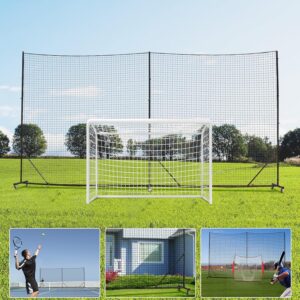
Ball Stop Net System with Wheels Mo…
VANCL Ball Stop Net System on Wheels Removable Post System Backstop Net Soccer Stop Net Heavy…
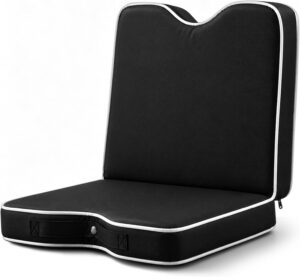
Jerify Stadium Seat Cushions, Bleac…
Small parts included, please keep them away from little kids to avoid swallowing risk.3 In 1…
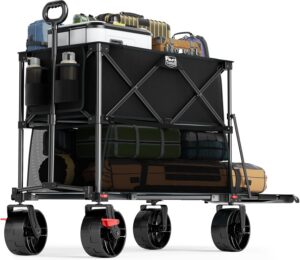
TIMBER RIDGE 400L Folding Double De…
Product description Carry All Your Outdoor Gear in One Trip with the TIMBER RIDGE 400L Wagon…