
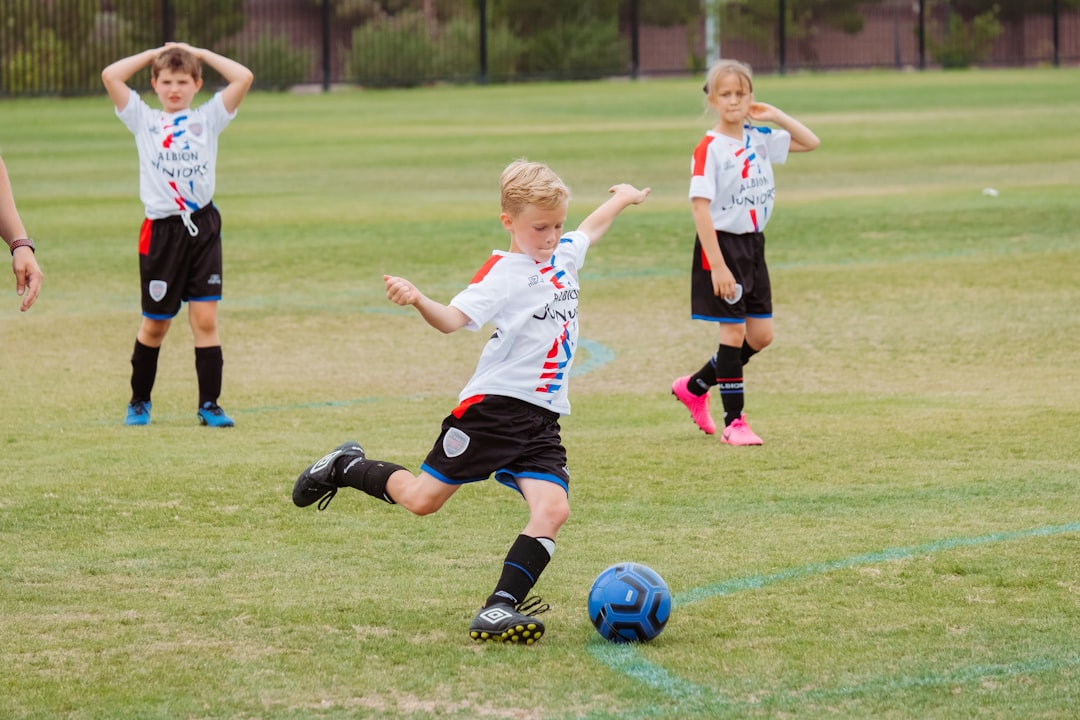
How to Build Confidence in a Young Soccer Player
Confidence is the foundation of skill development in soccer. When a young player trusts their abilities, they take initiative, learn faster, and enjoy the game more. Building that confidence is a step-by-step process coaches and parents can guide with consistent practice, clear feedback, and the right environment.
This article gives practical, actionable strategies you can use on the field, at home, and in training sessions to help a youth player grow confident—covering mindset, drills, equipment, coach and parent roles, and simple routines that deliver steady progress.
Start with a Growth Mindset
Teach players that ability is developed through effort and smart practice, not fixed talent. Use specific praise—focus on choices and effort (“Nice decision to pass early”) rather than vague compliments. Break big skills into smaller, achievable steps so kids experience frequent wins. This builds momentum and reduces fear of failure.
Design Short, Measurable Practices
Young players respond well to short drills with clear goals. Use 10–15 minute micro-sessions that target one skill (passing accuracy, first touch, dribbling). Keep repetition fun and competitive: timed challenges, small rewards, or simple scoreboards help a child see progress.
For drills that require layout and markers, consider age-appropriate equipment like Soccer Training Cones to organize stations quickly and clearly—visual structure reduces confusion and builds confidence.
Emphasize Ball Mastery and Progressive Complexity
Confidence grows when a player feels comfortable with the ball. Start with basic ball mastery: controlled touches, juggling alternatives, inside/outside foot dribbles. Gradually add defenders, speed, or decision-making elements.
Use tools that encourage repetitive, game-relevant touches like Soccer Dribbling Trainers. These let kids practice control under pressure and see improvement week to week.
Improve Agility and First-Step Confidence
Many hesitation moments come from lack of quickness and balance. Short, focused speed and agility drills improve a player’s ability to turn, accelerate, and commit to actions during games. Teach simple ladder runs, cone cuts, and reaction drills.
Equipment like Soccer Agility Ladders and Soccer Speed Hurdles make drills measurable and fun, and they give visible evidence of progress—faster times and cleaner footwork translate directly into on-field confidence.
Use Rebounders and Mannequins to Simulate Game Pressure
Players gain confidence when they can practice realistic scenarios alone or in small groups. Rebound nets help replicate passing and receiving under pressure; mannequins help with free-kick and dribbling lanes. Both add variability so kids learn to adapt.
Integrate a Soccer Rebounder Nets into passing and first-touch routines and use Soccer Training Mannequins when practicing free kicks or dribble routes. These tools bridge the gap between isolated drills and match-like pressure.
Put Safety and Proper Gear First
A player who feels protected is more willing to take risks. Make sure shin guards fit properly, cleats are appropriate, and clothing allows freedom of movement. Reinforce that taking calculated risks in play is good—but safety remains essential.
For comfort and protection, equip players with reliable items such as Youth Soccer Shin Guards. Proper gear reduces fear of injury, which helps young players commit to tackles and challenges.
Coach and Parent Behaviors That Build Confidence
How adults respond has a huge effect. Use these principles:
- Be specific in feedback: point out the decision or technique to reinforce.
- Encourage process over outcome: celebrate good positioning, movement off the ball, and work rate.
- Model calm composure: when adults remain level-headed after mistakes, kids learn to recover quickly.
Create consistent routines before games—warm-ups, clear roles, and simple tactics—so players know what to expect and can focus on execution.
Organize Gear and Routines for Consistency
Small logistical wins reduce stress. Teach young players to pack their bag the night before with water, cleats, shin guards, and a spare ball. This builds independence and removes last-minute panic that can undermine confidence.
A well-organized bag like the Athletico Youth Soccer Bag keeps essentials in one place, making pre-game routines smoother and giving players control over their preparation.
Small-Sided Games and Role Rotation
Small-sided games (3v3, 4v4) increase touches and decision-making opportunities. They accelerate learning and give players moments to be a key contributor. Rotate positions regularly so players experience different responsibilities—this broadens skills and reduces fear in unfamiliar roles.
Set clear, measurable goals for each short game (e.g., “two successful switches of play” or “three completed one-touch passes”) so kids have achievable targets that build confidence when met.
Checklist: Quick Actions to Build Confidence
- Set one focused skill goal per week (e.g., improve first touch).
- Use 10–15 minute daily micro-practices that include repetition and progression.
- Add one agility drill twice a week using ladders or hurdles.
- Practice with rebounders or mannequins once weekly to simulate pressure.
- Confirm proper fitting shin guards and pack a ready bag before game day.
- Provide specific praise for decisions and effort after practice and games.
FAQ
-
How often should a young player practice to build confidence?
Short, frequent sessions are best: aim for 3–5 focused sessions per week of 20–40 minutes rather than one long session. Consistency beats volume for steady confidence gains.
-
What drills help a shy player become more assertive?
Start with possession-based small-sided games and 1v1 attacking drills where the player gets repeated chances to win the ball and finish. Use positive reinforcement and set clear micro-goals.
-
When should a parent step in after a mistake?
Let coaches give technical feedback first. Parents should focus on emotional support—ask what the child learned and highlight one thing they did well to keep confidence intact.
-
Can equipment improve confidence?
Yes. Tools like rebounders and training mannequins help replicate game scenarios, and proper protective gear like shin guards reduces fear of injury so players can play boldly.
-
How do I measure progress beyond goals and scores?
Track decision-making improvements, reduced hesitation, increased involvement in play, and the ability to recover after mistakes. Video clips of small successes are also powerful motivators.
Conclusion — One Practical Takeaway
Make confidence a daily habit: small, measurable practice, predictable routines, and focused praise. Use simple tools—cones, ladders, rebounders, and reliable gear—to create structure and simulate pressure. Over weeks, those deliberate steps produce noticeable growth in a young player’s willingness to take risks and perform under pressure.
Start this week: pick one micro-skill, set two 15-minute practice sessions, and use a labeled bag so the player arrives prepared and ready to play.
Products Featured in This Article
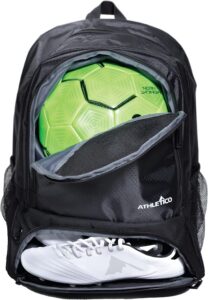
Athletico Youth Soccer Bag – …
Product description Athletico League Youth Soccer Backpack | Holds Soccer Ball / Basketball / Volleyball +…