
How to Keep Soccer Equipment Organized at Home
Keeping soccer gear tidy saves time, extends the life of equipment, and reduces stress on practice days. Simple systems at home turn clutter into a dependable routine so players—kids or adults—can focus on training and recovery rather than searching for a missing cleat.
Use practical storage choices and small habits that fit your space. For supplies and replacement gear, check options from Soccer Gear Scout to find items that match your setup.
1. Designate a dedicated gear zone
Pick one visible, consistent location: a mudroom, garage corner, hallway shelf, or closet. A single gear zone prevents items from being scattered throughout the house. If space is limited, use vertical storage—wall hooks, hanging organizers, or shelves—to keep the floor clear and make gear easy to grab.
2. Use clear containers and label everything
Invest in stackable bins and clear totes for small items (tape, grips, first-aid supplies). Label them by category: balls, cones, agility, goalkeeper, footwear, and wash. Durable labels or a label maker help teammates put things back correctly. Reserve a smaller bin or basket for daily essentials like mouthguards and shin sleeves.
3. Ball and net solutions that reduce chaos
Balls tend to roll away and pile up. Use freestanding racks or net systems to keep them contained and aired. For backyard training and to prevent balls going into fences or gardens, consider ball stop net solutions to create a reliable boundary and storage space for match balls and training balls alike.
Soccer Ball Stop Nets are a good option when you need a barrier that doubles as a place to stop and collect stray balls quickly.
4. Store training equipment by frequency and size
Sort training gear into two tiers: frequently used and occasional. Keep everyday items—cones, small hurdles, agility ladders—within arm’s reach. Seasonal or bulky items like rebounders and large training mannequins can live on higher shelves or in a dedicated closet.
Group small, similar items in mesh bags or hanging pockets so nothing disappears into the garage dust. For cones and markers, choose an organized bin or holder that stacks and is easy to transport to practice.
For specific tools, browse categories like Soccer Training Cones, Soccer Agility Ladders, and Soccer Speed Hurdles to standardize sets so every practice has the right count of equipment.
5. Manage rebounders and larger training gear
Bulkier training items like rebounders and kick-return trainers deserve their own plan. Keep them folded and stored on wall-mounted brackets or in a roomy bin to protect frames and netting. If you use rebounder nets in the yard, have a simple cover or bag for rain exposure and a checklist for reassembly after practice.
If you rely on rebound systems for solo drills, consider dedicated storage close to your practice area so setup time is minimal. See options for Soccer Rebounder Nets to match storage-friendly designs with your available space.
6. Footwear and apparel storage that prevents odor and damage
Shoes and cleats should have dedicated airflow. Use ventilated shelving or cubbies and let cleats dry completely before storing—keeping a small absorbent packet or paper towel inside helps. For travel and transport, a purpose-built soccer bag keeps shoes, balls, and uniforms together and separates dirty items from clean.
Consider a product designed for youth players like the Athletico Youth Soccer Bag which has compartments for cleats and a ball, making pre-practice packing faster and neater.
7. Care and maintenance station
Set up a small corner with cleaning and repair supplies: mild soap, brushes, a dry towel, and a few basic tools (needle and thread, glue for small fixes). For goalkeepers, a glove care routine prolongs grip and condition—store glove wash and grip restorers where they are easy to access and label them clearly.
Keep specific products like glove maintenance items together in one small basket so they’re not mixed with general cleaning supplies. If you want specialized options, see goalkeeper-focused products at Goalkeeper Glove Care Products.
8. Create a weekly reset routine
Ten minutes once a week is better than an hour on game day. Empty the gear zone, toss dirty items in the wash, air out balls and shoes, and check equipment for damage. Repack the bag for the next week and restock expendables like tape or replacement stud bolts.
Use a small whiteboard or phone reminder to track what needs replacement and when to conduct deeper maintenance. Regular checks reduce last-minute shopping and keep gear ready-to-go.
Quick checklist
- Designate a single gear zone and keep it visible.
- Use clear bins and label by category (balls, cones, footwear, goalie).
- Contain balls with racks or Soccer Ball Stop Nets in yard setups.
- Store frequent-use items at eye level; bulky items higher up or on hooks.
- Dry and clean cleats and gloves before storing; keep glove care products handy.
- Pack a ready bag for practice—use a bag with separate cleat and ball compartments.
- Spend 10 minutes weekly to reset and inspect gear.
FAQ
How do I keep shin guards from getting lost?
Designate a small labeled bin or hook for shin guards in your gear zone. Consider using sleeve-type shin guards that stay with socks, or store them in the same compartment as socks in your soccer bag so they travel together.
What’s the best way to dry wet cleats without damaging them?
Remove insoles, stuff shoes with newspaper or absorbent cloth to pull moisture, and let them air dry at room temperature. Avoid direct heat like a radiator or dryer—heat can warp materials and adhesives.
Where should I store large items like pop-up goals or mannequins?
Fold and store large items vertically on wall hooks or in a high closet shelf. If you have a garage, hang them off the floor to avoid moisture damage. Keep setup instructions with the item so it’s quick to assemble.
How can I make quick practice packs for different players or drills?
Create small pre-packed kits in labeled bags: “Dribbling,” “Shooting,” “Goalie,” etc. Each kit should include the exact cones, balls, or gloves needed for that session—this saves time and ensures consistency.
How often should I inspect training equipment for wear?
Perform a visual check weekly for frequent-use gear and a deeper inspection monthly for things like netting, seams, and metal frames. Replace or repair items that show cracked plastic, torn stitches, or rusted hardware.
Conclusion
Organization is a system, not a one-time cleanup. Pick a small set of durable containers, assign a visible gear zone, and build a short weekly routine. These simple steps keep your soccer gear ready, extend its life, and make practice days smoother for players and parents alike—start with one shelf or bag and expand from there.
Products Featured in This Article
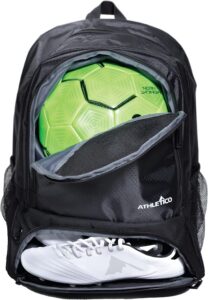
Athletico Youth Soccer Bag – …
Product description Athletico League Youth Soccer Backpack | Holds Soccer Ball / Basketball / Volleyball +…