
What Young Soccer Players Should Eat Before a Match
Good nutrition before a match helps young players feel sharp, sustain energy, and recover faster afterward. The right meals and snacks, timed properly, reduce cramps, prevent energy dips, and support focus on the pitch.
Soccer Gear Scout supports players with practical gear and guidance for training and match day—nutrition is the other half of preparation. Before we get into specifics, remember that consistency matters more than perfection: regular good choices on training days create better match-day results.
For more gear and training tools that pair well with a thoughtful pre-match routine, check out Soccer Gear Scout.
Why pre-match nutrition matters
Young athletes have smaller glycogen stores and faster metabolisms than adults. That means they can become depleted sooner and are more sensitive to timing. Proper pre-match eating optimizes blood sugar, hydration, and digestion so the player can move, react, and think at their best for the full 70–90 minutes of play.
Timing: when to eat before kickoff
Plan meals and snacks based on the match start time:
- 3–4 hours before: a full meal with carbohydrates, moderate protein, and low fat/fiber to allow digestion.
- 60–90 minutes before: a light snack that’s primarily carbohydrates with some protein if needed.
- Last 15–30 minutes: only small, very easy-to-digest carbs (e.g., a few bites of banana) and sips of water or a sports drink if tolerated.
When transporting food and keeping it at safe temperatures, use a reliable insulated bag and a well-organized soccer backpack so snacks are accessible without stress. Consider a dedicated insulated lunch bag and an organized youth soccer bag to keep food fresh and avoid last-minute rummaging.
What to eat 3–4 hours before a match (full pre-match meal)
A good full meal fuels sustained effort. Aim for:
- Carbohydrates (3–4 g per kg of body weight across the meal for youth depending on training load) — examples: rice, pasta, bread, potatoes, quinoa.
- Lean protein — chicken, turkey, fish, eggs, tofu; enough to support recovery but not so much that digestion slows you down.
- Low-to-moderate fat and fiber — keep these lower to reduce stomach upset during play.
- Vegetables — cooked or easy-to-digest raw veg in small portions for vitamins without bloating.
Example meals: grilled chicken with plain pasta and steamed carrots; turkey sandwich on white or whole-grain bread with a small side of fruit; rice bowl with lean protein and light sauce. Avoid heavy sauces, fried foods, and large portions of raw cruciferous vegetables right before a match.
What to eat 30–90 minutes before kickoff (pre-match snack)
The pre-match snack top-ups muscle glycogen and keeps blood sugar stable. Choose familiar, easy-to-digest carbs and small amounts of protein if needed.
- Banana, apple sauce, or peeled orange segments
- White toast or a small bagel with honey or jam
- Yogurt or a small smoothie (watch fiber and fat)
- Sports gel or chewables for players used to them
Avoid large amounts of dairy or high-fiber bars right before play. Test snacks in training to confirm tolerance—match day is not the time for experiments.
Hydration essentials
Hydration is as important as solid food. Start hydrating in the hours before the match and continue small sips up to kickoff. For most youth players:
- Drink 300–500 ml (10–17 oz) in the 2 hours before the match.
- 20–30 minutes before kickoff, have another 100–200 ml (3–7 oz) if not sweating excessively.
- During intense heat or prolonged play, include a low-concentration sports drink to replace electrolytes and provide a carb boost.
Weigh-ins before and after training sessions can help determine individual fluid needs. Encourage small, regular sips rather than gulping large volumes at once.
Pre-match activation: quick drills and why they matter
Food starts working on the field, but movement wakes up muscles and digestion. A 10–20 minute activation that includes coordination, short sprints, and ball touches prepares the nervous system and helps move blood glucose to working muscles.
Simple equipment like cones and an agility ladder makes warm-ups structured and effective—consider using portable tools that teams already trust. For fast, repeatable footwork drills, an agility ladder training set is ideal for rhythm and quick feet, while a set of disc cones creates passing lanes and dynamic movement patterns.
Portable disc cones are versatile for short shuttle runs and warm-up patterns—pack a set of disc cones in your bag for quick setup on any field. If your team uses combined speed and agility equipment for warm-ups, a ready-made speed and agility set can standardize drills and save warm-up time.
Position-specific notes
Different positions have slightly different demands during a match that can inform pre-match choices:
- For midfielders and forwards—higher immediate energy demands: favor slightly more carbs in the 60–90 minute snack and consider a small sports drink during warm-up if tolerated.
- For defenders—sustained concentration is key: balance carbs with some protein at the 3–4 hour meal to aid focus and recovery.
- For goalkeepers—long periods of low activity with short intense bursts: steady carbs are important and a light snack 30–60 minutes before can help reaction speed. Goalkeepers also need to carry extra gear like padded shirts; make sure their food fits with that kit, such as compact snacks that won’t crush under a padded goalie shirt.
Also remember essential protective gear: keep shin guards and sleeves dry and stashed with snacks in your bag—see options for youth shin guards if you need replacements.
Foods and portions to avoid before a match
Avoid the following within 3 hours of kickoff: greasy or fried foods, large portions of beans or cruciferous vegetables, heavy protein-heavy meals, and new supplements or energy drinks you haven’t tested. These can cause gastrointestinal distress, sluggishness, or jitteriness.
Sample schedules and meal ideas
Two examples for a 3:00 PM kickoff:
- 11:30 AM (3.5 hours prior): Grilled chicken, plain pasta, steamed carrots, small piece of fruit.
- 2:00 PM (1 hour prior): Toast with honey and a banana; water or light sports drink as needed.
- 2:45 PM (15 minutes prior): A few sips of water and a small piece of orange if desired.
For an earlier morning match, shift the main meal to the evening before and have a lighter breakfast (oatmeal with banana or toast with peanut butter) 2–3 hours prior, and a light carb snack 45–60 minutes before kickoff.
Checklist: match-day nutrition and prep
- Pack a main meal 3–4 hours prior and a light carb snack for 30–90 minutes before.
- Bring an insulated food bag and organized soccer backpack to keep food fresh (insulated bag, youth soccer bag).
- Test snacks in training—no new foods on game day.
- Start hydrating early; sip water throughout pre-match warm-up.
- Use quick activation drills with cones and ladders to wake up the body (disc cones, agility ladder, speed and agility sets).
- Pack protective gear and keep snacks separate from cleats and wet items (keep shin guards accessible: youth shin guards).
FAQ
- Q: Can kids eat sports drinks before a match?
A: Small amounts are fine for long games or hot conditions; prioritize water and use sports drinks for electrolyte/carbohydrate replacement when needed. - Q: Is protein powder OK before a match?
A: Whole-food protein at the main meal is preferable. If using protein powder, take it well before the match and keep the pre-match snack carbohydrate-focused. - Q: What if my child gets nervous and loses appetite?
A: Offer small, familiar carb snacks (banana, toast, jelly) and focus on hydration—small bites are better than nothing. - Q: Should a youth player fast if they feel lightheaded?
A: No—lightheadedness often means low blood sugar or dehydration. Give a small carb snack and water, and seek medical advice if symptoms persist. - Q: How much should a young player drink during halftime?
A: Small sips (100–200 ml) of water or a low-concentration sports drink to refresh without causing sloshing in the stomach.
Conclusion — practical takeaway
Plan ahead: a balanced meal 3–4 hours before kickoff, a carb-focused snack 30–90 minutes prior, and steady hydration deliver the most consistent performance benefits. Pack foods in an insulated bag and organized soccer backpack, test everything in training, and include a short activation warm-up using cones and ladders to turn food into performance on the field.
Products Featured in This Article
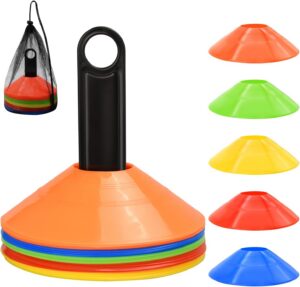
25/50/100pcs Disc Cones, Agility So…
【Package Include】- Our disc cones include 25 pack agility soccer cones in 5 color(5 of each…
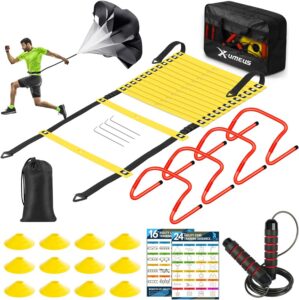
X-UMEUS Agility Ladder Speed Traini…
Agility Ladder Speed Training Equipment Set for anyone looking to increase their Agility, Speed, Balance, Explosiveness,…
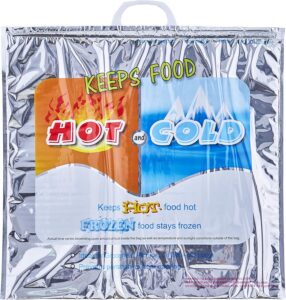
Superio Hot and Cold Insulated Bags…
From the brand Closet Organization Laundry Organization Trash Cans Home Cleaning Kitchen Cleaning Food Storage Outdoor…
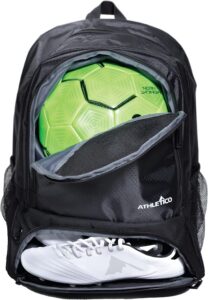
Athletico Youth Soccer Bag – …
Product description Athletico League Youth Soccer Backpack | Holds Soccer Ball / Basketball / Volleyball +…