
Soccer Hydration Tips for Young Athletes and Parents
Keeping young soccer players properly hydrated is one of the simplest—and most effective—ways to protect performance, reduce injury risk, and help recovery. This guide gives clear, practical steps parents and coaches can use before, during, and after training or games.
Along with good habit-building, having the right gear and a simple plan makes hydration easier to manage. For useful equipment and training products that support routine and safety, check options from Soccer Gear Scout.
Why Hydration Matters for Young Players
Children sweat and lose fluids differently than adults. Even mild dehydration reduces concentration, decision-making, and coordination—skills soccer players rely on constantly. Hydration also affects body temperature regulation; keeping fluids steady helps avoid overheating in warm conditions.
Before Practice and Games: Prepare the Player and the Plan
Encourage a baseline of good hydration by having players drink water regularly the day before and the morning of activity. A useful routine: 12–16 ounces (350–475 ml) two hours before arrival, then 6–8 ounces (175–240 ml) 15–30 minutes before kickoff, adjusted for age and size.
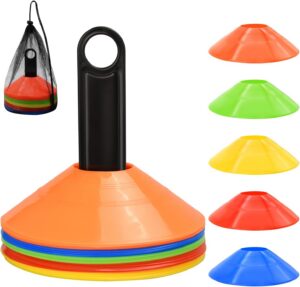
Set up visible, organized water areas and warm-up stations so players don’t skip sips. Use markers to create clear zones for warm-up and water breaks—products like 25/50/100pcs Disc Cones are inexpensive and portable tools for organizing space and signaling when it’s time to hydrate.
During Training and Matches: Practical On-field Rules
Small, consistent sips beat large infrequent gulps. For drills and scrimmages, plan short water breaks every 15–20 minutes in moderate climates and more often if it’s hot or humid. Teach players to take 2–4 quick swallows during each break rather than drinking until they’re full.
Design drills to include natural micro-breaks where players can hydrate without disrupting flow. Simple agility circuits using equipment like Soccer Agility Ladders can be run in short sets with planned sip pauses between repetitions.
How Much to Drink: Age, Weight, and Sweat Rate
There’s no one-size-fits-all volume. A practical approach parents can use is weight-based: weigh a child before and after training (in similar clothing). Each pound lost roughly equals 16 ounces (about 500 ml) of fluid that should be replaced over the next 2–4 hours. For everyday guidance:
- Under 6 years: emphasize frequent small sips; offer 4–8 ounces (120–240 ml) per break.
- 6–12 years: 6–10 ounces (175–300 ml) per break, more if sweating heavily.
- 13–18 years: 8–12 ounces (240–350 ml) per break; adopt adult-style monitoring if needed.
Adjust amounts up for hot weather, longer sessions, or very active players.
Electrolytes, Sports Drinks, and Smart Snacks
For sessions under 60 minutes, plain water is usually enough. For longer practices, double-headers, or very sweaty players, a drink with electrolytes helps replace sodium and potassium lost in sweat. Choose low-sugar options and serve in small amounts alongside water.
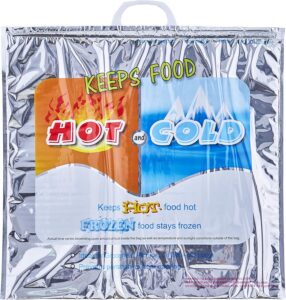
Keep cold electrolyte options available—cool beverages are consumed more readily. Portable insulated carriers make a difference for tournaments and day-long events; using an insulated bag such as the Superio Hot and Cold Insulated Bags keeps drinks cool and reduces spoilage of electrolyte mixes or milk-based recovery items.
Pack Smart: Bags, Coolers, and Organization
Make hydration part of game-day packing. Use a dedicated water bottle for each player (clearly labeled) and include a backup. A backpack with separate compartments helps keep drinks separate from cleats and snacks; consider an option like the Athletico Youth Soccer Bag to organize bottles, food, and spare gear.
Practical Logistics for Tournaments and Long Days
On tournament days, create a central hydration station that’s easy to access between games. For families carrying multiple coolers, chairs, and gear, a sturdy pull wagon keeps everything together and reduces missed opportunities to drink. A durable option such as the TIMBER RIDGE 400L Folding Double Decker Wagon makes setup and transport simpler, so players can hydrate on schedule without frantic searching for supplies.
Special Considerations: Goalkeepers and Weather Extremes
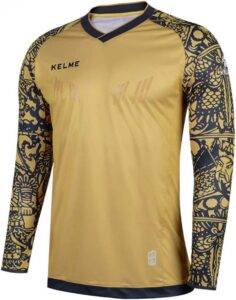
Goalkeepers often remain more stationary but sprint repeatedly; they need the same hydration rules and sometimes more attention to clothing and padding that traps heat. Lightweight padded goalie jerseys with breathable panels help reduce overheating—consider breathable padded options like the KELME Kids Padded Goalie Shirt for younger keepers to balance protection and airflow.
In extreme heat, alter training times, shorten sessions, and increase frequency of water and shade breaks. In cold weather, remind players to hydrate; thirst decreases in cold but muscles still need fluids to recover and maintain function.
Recognizing Dehydration and When to Act
Watch for decreased energy, headache, dizziness, dark urine, or a lack of sweat in hot conditions—these are red flags. If a player shows severe signs (confusion, fainting, persistent vomiting), seek emergency care immediately. For milder signs, move the player to shade, encourage small sips of an electrolyte beverage, and cool with damp towels if needed.
Simple Gear That Encourages Hydration
Small investments in practical gear make consistent hydration easier: labeled bottles, insulated carriers, an organized team bag, and visible station markers. Training aids—like cones and designated rest zones—help by making hydration a structured part of practice rather than an afterthought. Browse cone and station options among training equipment to find setups that suit your routine: Soccer Training Cones.
Hydration Checklist
- Bring a labeled water bottle + backup for every player.
- Pack a small cooler or insulated bag for cold drinks and recovery snacks.
- Plan water breaks every 15–20 minutes in practice; more often in heat.
- Use cones or markers to create a visible water station.
- Weigh players when appropriate to estimate fluid loss and guide rehydration.
- Teach players to sip regularly, not just when thirsty.
- Adjust drinks for longer sessions—add electrolyte options when needed.
Conclusion — One Practical Takeaway
Make hydration predictable: schedule short, frequent breaks, keep cool drinks available in labeled bottles, and use simple gear and zones so players know when and where to rehydrate. Small routines prevent big problems.
FAQ
- How often should a 10-year-old drink during practice? Offer small sips every 15–20 minutes; about 4–8 ounces per break depending on intensity and temperature.
- Are sports drinks necessary for youth soccer? Not for sessions under an hour. For longer, intense, or very sweaty activity, a low-sugar electrolyte drink can help replace salts.
- Can cold drinks cause cramps? There’s no strong evidence that cold fluids cause cramps in kids; cold drinks are often more palatable and encourage drinking.
- How do I monitor fluid loss without a scale? Track urine color (pale straw is good), watch for slurred energy or decreased effort, and note less sweating in heat—any of these warrant more frequent sipping.
- What gear helps most for multi-game days? Use an insulated bag for cold drinks, an organized team backpack, and a cart or wagon to transport supplies easily between fields.
Products Featured in This Article
25/50/100pcs Disc Cones, Agility So…
【Package Include】- Our disc cones include 25 pack agility soccer cones in 5 color(5 of each…
KELME Kids Padded Goalie Shirt,Yout…
Department : boys Date First Available : February 28, 2018 ASIN …
Superio Hot and Cold Insulated Bags…
From the brand Closet Organization Laundry Organization Trash Cans Home Cleaning Kitchen Cleaning Food Storage Outdoor…
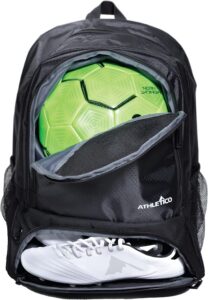
Athletico Youth Soccer Bag – …
Product description Athletico League Youth Soccer Backpack | Holds Soccer Ball / Basketball / Volleyball +…
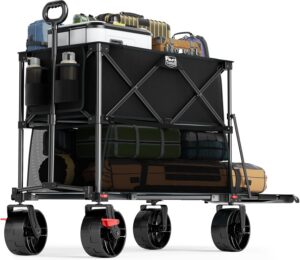
TIMBER RIDGE 400L Folding Double De…
Product description Carry All Your Outdoor Gear in One Trip with the TIMBER RIDGE 400L Wagon…