
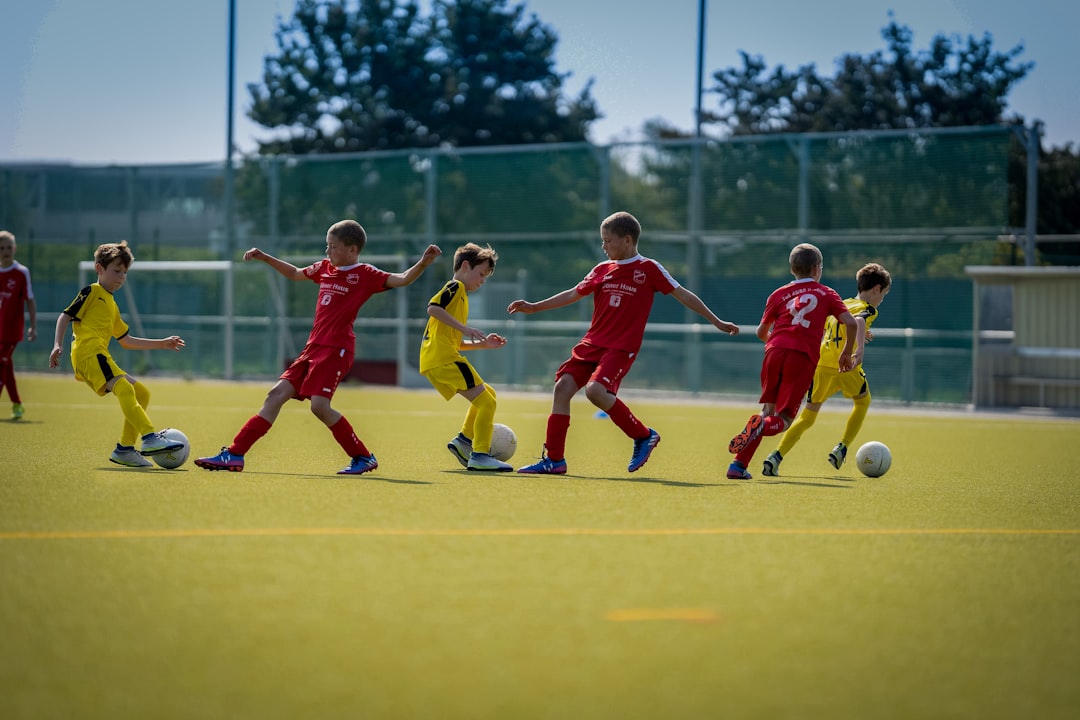
Simple Passing Drills for Youth Soccer Players
Passing is the backbone of soccer: accurate, timely passes create space, control tempo, and build attacks. For youth players, repeating simple, purposeful drills builds technique, decision-making, and confidence on the ball.
Use reliable equipment and progressions so training stays focused and fun. If you need gear to run effective sessions, start with options from Soccer Gear Scout that suit youth teams and coaches.
Why Focused Passing Practice Matters
Young players need repetition that mirrors match situations: short first-touch connections, quick exchanges under pressure, and improving the weight and accuracy of longer passes. Drills that emphasize body shape, passing foot, and communication accelerate learning more than random touches.
Warm-Up: Dynamic Passing and Movement
A proper warm-up prepares joints and patterns. Start with 5–10 minutes of dynamic movement and partner passing (inside foot only) at 5–10 yards, then increase speed and distance.
Simple equipment such as cones, small goals and ladders helps organize warm-ups and movement. Consider adding a Soccer Speed and Agility Sets to structure progressive warm-ups that combine footwork and passing.
Drill 1 — Two-Player Wall Passes (Give-and-Go)
Purpose: Develop first touch, timing, and accurate short passes.
- Setup: Two players, 6–10 yards apart. Use cones to mark passing lanes.
- Action: Player A passes to Player B and immediately runs past a cone; Player B returns a weighted pass into A’s run (one-touch or two-touch depending on age).
- Coaching points: Open body to receive, pass with the inside of the foot, play the return early, and communicate.
- Progression: Add a passive defender after 30–60 seconds, then a full defender.
Drill 2 — Rebounder Passing Circuit
Purpose: Improve first touch, repetition, and passing accuracy when practicing alone or in small groups.
Rebounders let players work on passing speed, receiving at different angles, and one-touch combinations. For team sessions or home practice look to categories like Soccer Rebounder Nets for a variety of sizes and tension setups.
For a compact, bounce-back option coaches often favor specific models such as the Soccer Baseball Rebounder Soccer Go… which suits ball-control and passing drills for mixed-age groups.
- Setup: Player stands 6–12 yards from rebounder.
- Action: Pass into rebounder, control the return, then pass again quickly. Vary pace and target zones on rebounder for different returns.
- Coaching points: Control with the correct surface (foot/head/chest depending on return), and act quickly to simulate game tempo.
Drill 3 — Triangle Passing (Three-Player Combo)
Purpose: Teach passing angles, support, and movement off the ball.
- Setup: Three cones forming a triangle roughly 5–8 yards per side. Three players take positions.
- Action: A passes to B, immediately moves to a new cone; B returns to A or plays a one-touch to C. Rotate positions every set number of passes.
- Coaching points: Emphasize angled runs to create passing lanes, use the right weight on passes, and keep heads up.
To simulate defenders and teach shape against a wall of blockers, add training mannequins from the Soccer Training Mannequins category to force sharper angles and smarter movement.
Drill 4 — Tight-Space Rondos / Passing Under Pressure
Purpose: Improve speed of play, first touch, and shielding while passing in congested areas.
- Setup: 4v1 or 5v2 rondo inside a 6–10 yard square depending on age and skill.
- Action: Keep possession with one- or two-touch play. The defenders try to intercept and swap in when successful.
- Coaching points: Quick passing, scanning before receiving, and supporting angles. Reward successful sequences (e.g., 10 passes = 1 extra point).
If you want to practice passing into and around obstacles, inflatable dummies like the ZHUYNXIR Inflatable Soccer Dummy, S… can act as passive defenders for younger groups, enabling repetition without extra players.
Drill 5 — Long Passing and Switching Play
Purpose: Teach range, accuracy, and vision for switching play across the field.
- Setup: Two wide targets (small goals or gates) 20–30 yards apart. Pair players opposite each other.
- Action: Practice lofted 20–30 yard passes and driven switches. Focus on arc, pace, and the receiving player’s first touch to control under pressure.
- Coaching points: Plant non-kicking foot toward target, use laces for driven balls and inside for roll passes. Encourage communication and body shape to receive open to the field.
Drill 6 — Combine Dribbling with Passing
Purpose: Integrate ball-carrying, weighing passes, and recognizing when to dribble vs pass.
Set up 1v1 or 2v2 channels where players carry the ball through a short dribbling course then deliver a pass to a supporting teammate. To build these combined skills consider using Soccer Dribbling Trainers that help structure dribble lines and bridges into passing exercises.
Coaching Tips: Progressions, Frequency, and Feedback
Keep sessions short and focused: 10–15 minute drill blocks with clear coaching points. Use progressions (no defender → passive defender → active defender) and vary distance, touch requirements, and tempo. Give specific, immediate feedback: praise correct foot choice, quick scanning, or improved weight on passes.
Equipment & Safety
Always check boots, ball inflation, and field conditions. Young players should wear proper shin protection—especially in competitive drills. Reliable youth protection is available in the Youth Soccer Shin Guards category to reduce risk and let players focus on technique.
Quick Checklist for a Passing Session
- Clear objective for each drill (touches, tempo, accuracy).
- Warm-up 8–12 minutes with dynamic movement and short passing.
- 3–4 focused drills, 8–15 minutes each, with progressions.
- Use small-sided games to transfer skills to match situations.
- Feed positive, specific feedback and keep repetitions high.
- Ensure players wear shin guards and appropriate footwear.
FAQ
- Q: How long should a passing drill last for youth players?
A: Aim for 8–15 minutes per drill to keep focus and intensity high. Rotate drills to maintain engagement. - Q: How many touches should a player take before passing?
A: Start with two-touch for beginners, move to one-touch for quicker play as skill improves, depending on drill goals. - Q: When should I add defenders to a drill?
A: Add passive defenders after a player can complete the drill consistently; progress to full defenders to simulate match pressure. - Q: Can players practice alone to improve passing?
A: Yes—rebounder nets and bounce-back trainers are ideal for solo repetition and improving first touch and passing accuracy. - Q: How often should youth players practice passing each week?
A: 2–3 focused sessions per week with match play is effective; short daily technical touches (10–15 minutes) also help retention.
Conclusion — Practical Takeaway
Keep passing practice simple, purposeful, and progressive. Focus on technique first, then increase speed, pressure, and complexity. With consistent, game-like repetition and the right gear, youth players build reliable passing that transfers directly to match performance.
Products Featured in This Article
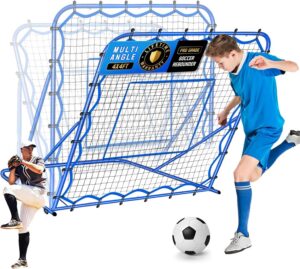
Soccer Baseball Rebounder Soccer Go…
Soccer Baseball Rebounder Net, Soccer Goal Net, Volleyball Softball Rebound Pitchback Net Quick-Switch Angle Training for…
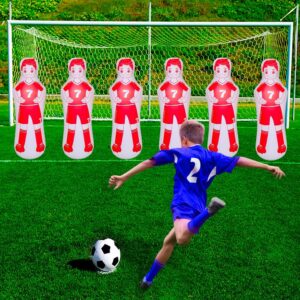
ZHUYNXIR Inflatable Soccer Dummy, S…
Features: Inflatable dummies are designed to be filled with water at the bottom and are very…