
What to Wear to Soccer Practice in Hot, Cold, or Rainy Weather
Practice conditions change with the season, and what you wear affects comfort, performance, and injury risk. This guide breaks down practical clothing and gear choices for hot, cold, and wet practices so you show up ready to train—no matter the weather.
Recommendations are concise and actionable: fabrics, layering, footwear, protective gear, and a short checklist you can use before every session.
Hot Weather: Keep cool, protect skin, and manage sweat
Choose lightweight, breathable fabrics that move sweat away from the body. Look for polyester or blends labeled “moisture-wicking” and loose enough to allow air flow without flapping in the wind. A light-colored shirt, ventilated shorts, and no-show or mid-calf performance socks are the basics.
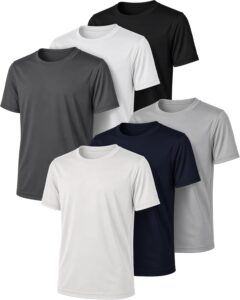
For kids and teams, economical multi-packs of performance tees work well as practice uniforms—grab simple dry-fit shirts rather than cotton. Consider packing an extra shirt to change into after high-sweat drills to avoid prolonged damp clothing. A good option for basic moisture management is a pack of performance tees like moisture-wicking tees.
Other hot-weather tips:
- Wide-brim cap for off-field water breaks (not during play).
- Sunscreen (SPF 30+) applied 20 minutes before practice.
- Hydration bottle and electrolyte options—sip regularly, not only at halftime.
Cold Weather: Layer smart, keep extremities warm
Cold-weather layering should follow three rules: base layer to wick, insulating mid-layer to trap heat, and a wind- or water-resistant outer layer. Avoid bulky items that restrict movement; choose fitted thermal shirts and track pants. If you warm up quickly, thin layers that can be removed are better than a single heavy piece.
For goalkeepers and players who dive or slide, padded or reinforced pants provide comfort and warmth for ankles, hips, and knees while training. Many keepers prefer purpose-built bottoms for colder sessions—lightweight, flexible options give warmth without restricting movement.
Rainy Weather: Grip, visibility, and quick-dry fabrics
On wet days prioritize quick-dry synthetics and water-resistant outer layers for pre- and post-practice. A thin rain shell can be worn during drills that don’t require maximal sprinting; remove it for high-intensity intervals if it causes overheating. Avoid cotton—once wet it stays wet and chills the body.
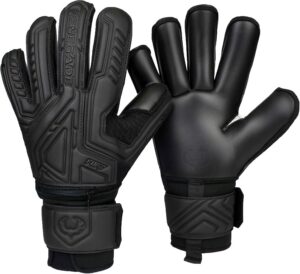
Grip matters in the rain: if you’re a goalkeeper, wet palms change how the ball behaves. Proper maintenance keeps gloves more reliable in wet conditions—wash and dry them correctly, and use care products designed for goalkeeping gear to maintain tack. For routine cleaning and maintenance, check out glove care resources and products.
Footwear, Socks, and Protective Gear
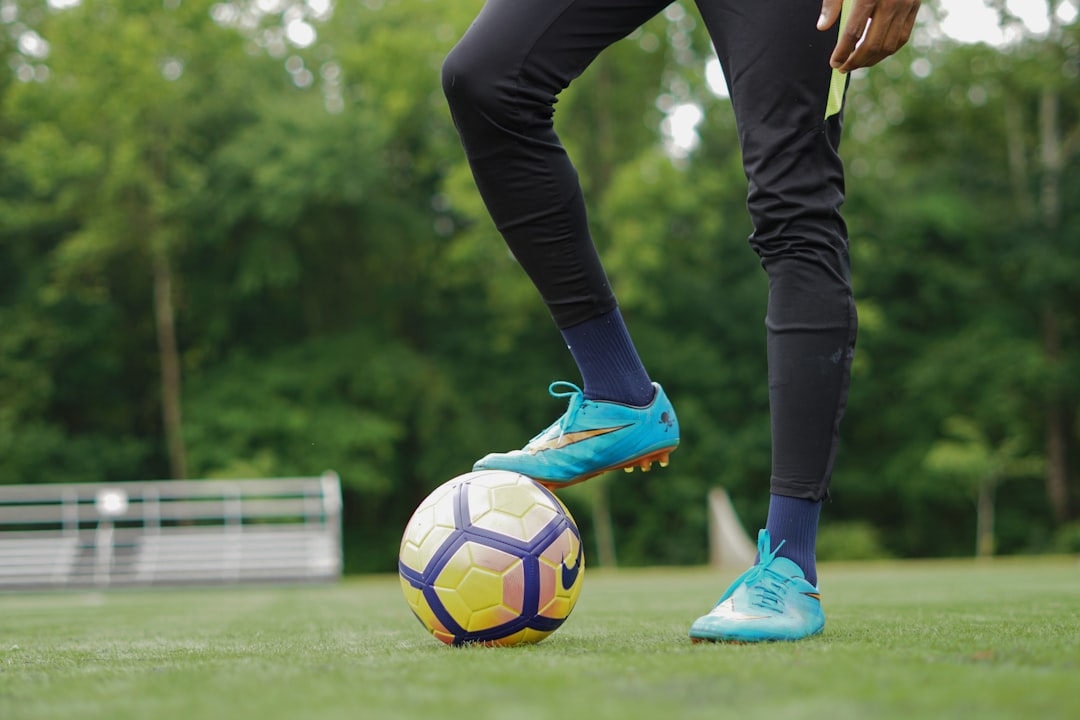
Your cleat choice depends on field conditions: firm-ground studs for dry natural grass, soft-ground or longer studs for muddy fields, and turf shoes for artificial surfaces. Replace worn studs and ensure cleats fit snugly—too much movement in the footbox causes blisters and instability.
Shin protection is non-negotiable in organized play. Choose properly sized guards that sit under the calf without slipping; compression sleeves or straps help keep them in place. For adult players, browse options designed for mature fit and protection: adult shin guards.
Ankle support is helpful for players returning from sprains or who want extra stability; low-profile guards fit inside the boot and provide compression without bulk. If you use added support, pick a model sized for soccer to preserve range of motion: ankle guards.
Never skip a mouthguard during contact-heavy drills to reduce dental trauma risk. Youth and adult players can find molded and boil-and-bite options: consider always packing a properly fitted mouthguard for practice and matches.
Goalkeepers: Gloves, padding, and clothing choices
Keepers need targeted gear for grip, impact protection, and range of motion. Choose gloves sized to your hand and suited to conditions—different palms are optimized for dry, wet, or mixed weather. A reliable option for training and matches is a dedicated glove model with good grip and finger protection; many keepers favor performance gloves like goalkeeper gloves that balance grip and durability.
Padded shirts or light elbow/knee protection reduce impact pain during repeated dives. For colder sessions consider a long-sleeve keeper jersey and slim goalkeeper pants that allow movement but protect hips and thighs.
Training & Practice Items to Bring
Beyond clothing, simple equipment keeps practice productive and safe. Cones, an agility ladder, and speed resistance tools improve warm-ups and ball skills. If your coach runs footwork and acceleration drills, bringing or using a nearby set of agility tools helps you get the most from each session—look for combined sets for speed and coordination like speed and agility drills.
Other useful items: a small repair kit (extra laces, tape), a lightweight towel to dry hands and ball in rainy weather, and a clearly labeled water bottle.
Layers, Fabrics, and Fit: How to choose wisely
Fabric matters more than color. Synthetic blends (polyester, nylon, elastane) wick and dry fast. Avoid cotton for base layers. Fit should be athletic—close enough to wick and stay in place, loose enough to allow full range of motion and technical skill execution.
For youth players, sizing up slightly for outer layers helps them grow into gear; for adults, aim for snug base layers and flexible outer layers. Compression pieces can be used selectively for muscle warmth and recovery—test them in training before game day.
Gear Extras: Bags, organization, and quick fixes
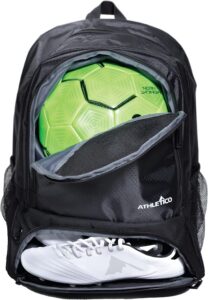
An organized bag makes weather adjustments simple: separate compartments for cleats, wet clothes, and clean layers reduce hassle. A practical carryall with a cleat compartment is helpful for young players and parents—consider a dedicated soccer travel bag like the soccer bag for compact organization.
Bring small maintenance items: a multi-tool for stud adjustments, quick-dry towel, and a ziplock for wet items. For keepers, a compact glove care spray or cleaner keeps palms performing longer during a rainy week.
Quick Checklist Before Every Practice
- Appropriate shirt and shorts (moisture-wicking for heat, layers for cold)
- Correct cleats for the surface and wet/dry conditions
- Shin guards and socks (plus compression sleeves if used)
- Water bottle—filled; electrolyte option if hot
- Rain shell or spare shirt if weather looks uncertain
- Goalkeeper: gloves and glove care items
- Bag organized with a towel and spare laces/tape
FAQ
- Q: Can I wear cotton in cold weather?
A: Avoid cotton as a base layer—use synthetics or merino wool to wick moisture and retain heat. - Q: How many layers are too many?
A: If layers restrict sprinting and kicking, remove one. Aim for mobility plus necessary warmth. - Q: Should goalkeepers use different cleats?
A: Not necessarily—choose studs suitable for the surface. Some keepers prefer lower-profile cleats for quicker pivoting. - Q: How do I keep gloves performing in rain?
A: Rinse with clean water after practice, air dry away from heat, and use glove care products to preserve palm tack and material. - Q: Are compression sleeves safe for all players?
A: Generally yes, but try them in training first and ensure they don’t cut circulation or restrict movement.
Conclusion
Dress for the primary hazard of the day: heat (avoid overheating), cold (preserve warmth while staying mobile), or rain (stay dry and maintain grip). Pack a small kit to adapt on the sideline—an extra shirt, a thin shell, basic glove care, and an organized bag make transitions fast and keep practice productive.
Products Featured in This Article
Renegade GK Fury Goalie Gloves with…
Product description Best In Class Finger Protection & Punch Performance Endo-Tek Pro FingersavesDuraTek 4+2MM Latex Backhand6D…
PURE CHAMP Boys Athletic Shirts 6 P…
Keep boys comfortable and ready for every activity with the PURE CHAMP Boys 6 Pack Athletic…
Athletico Youth Soccer Bag – …
Product description Athletico League Youth Soccer Backpack | Holds Soccer Ball / Basketball / Volleyball +…