
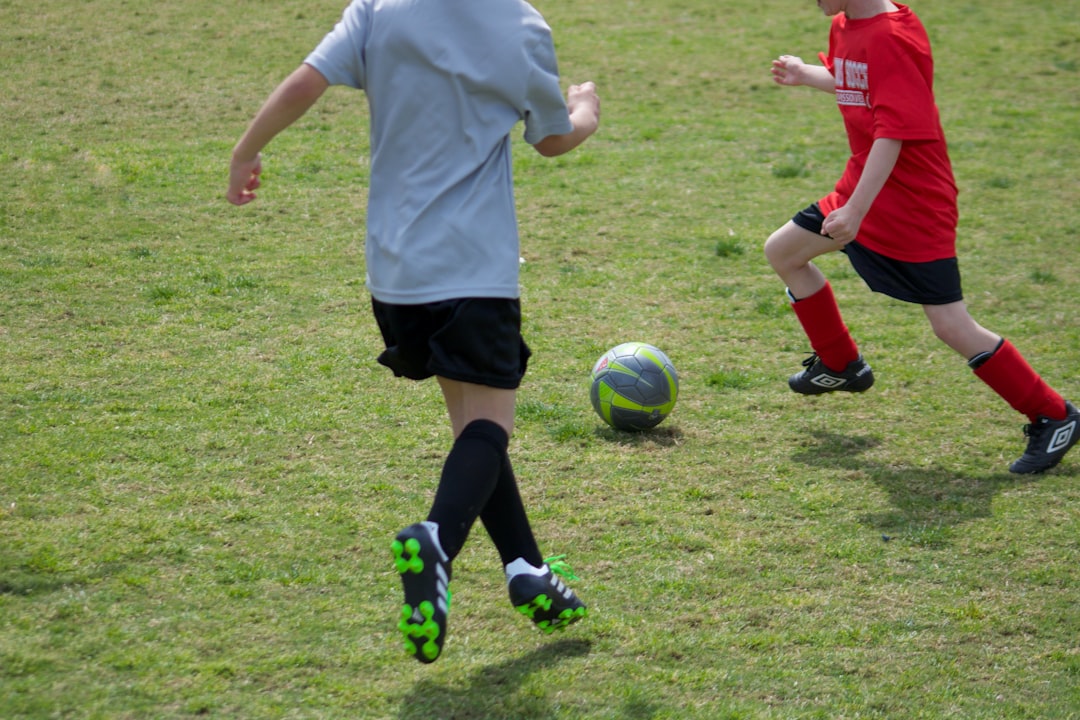
Youth Soccer Shin Guards: Sizing, Fit, and Safety Tips
Choosing the right shin guards for young players is one of the simplest ways to reduce injury risk and improve confidence on the field. Proper sizing and secure fit matter as much as the guard’s construction—ill-fitting protection can shift during play, exposing the tibia and increasing the chance of bruises or worse.
If you’re shopping for options, check a wide selection to compare styles and sizes at Soccer Gear Scout, then use the practical guidance below to make a safe, confidence-building choice for your player.
1. Types of Youth Shin Guards and how they differ
There are three common designs for youth shin guards: slip-in (sleeve) guards, ankle-style guards with straps, and one-piece hard-shell guards with integrated calf protection. Each type balances coverage, comfort, and mobility differently. For age-appropriate, sport-specific designs aimed at younger players, see the dedicated Youth Soccer Shin Guards category where models are sized and labeled for kids.
2. Measuring for the right size
Measure from just below the knee to a few centimeters above the ankle for overall shin length. Match the measurement to the product size chart rather than guessing by age. If a guard lists sizes as S/M/L, confirm the measurement in inches or centimeters. For very young children, choose guards designed for ages rather than trimmed adult options—coverage should reach from just under the patella toward the top of the ankle without touching the ankle bone directly.
3. Fit features: sleeves, straps, and compression
How a guard stays in place is as important as the shell material. Slip-in sleeve guards are lightweight and quick to put on; elastic sleeves can be more comfortable for continuous play. If you prefer added security, guards with straps or a combination of strap plus sleeve reduce shifting during tackles and sprints. Consider practical sleeve options like Shin Guard Sleeves 2 Pairs for younger players who need simple, no-fuss retention that also helps keep socks tidy.
4. Protecting the ankles together with shin guards
Standard shin guards protect the front of the shin but won’t cover the lateral ankle. For players who are prone to ankle knocks—or teams that allow the added layer—consider ankle-specific protection paired with shin guards to avoid gaps. Explore built-for-purpose options in the Soccer Ankle Guards category to find low-profile pieces that work with youth shin guards.
5. Materials, padding and impact performance
Shells are commonly hard plastic (polypropylene) or layered composites; both disperse impact but differ in weight. The internal foam or EVA lining determines how force is absorbed and how comfortable the guard feels against the skin. Breathable, moisture-wicking linings reduce skin irritation during long training sessions. For a ready-to-use, youth-focused option with built-in sleeves and breathable padding, consider models like the Soccer Shin Guards for Kid Youth product which combine impact material with anti-slip features.
6. Wearing shin guards correctly—step-by-step
1) Put on soccer socks after any base layer. 2) Position the shin guard so the hard shell covers the center of the shin and the lower edge is a finger’s width above the ankle bone. 3) Secure with the guard’s straps or slide into a sleeve. 4) If using separate ankle protectors or braces, fit them next so they don’t push the shin guard out of place. For ankle support that pairs well with shin protection, look at options such as the NMK Kids Compression Ankle Brace, which is designed to fit inside cleats and under socks without excessive bulk.
7. Maintenance and hygiene: extend life and safety
Rinse off mud and sweat after each use, air-dry completely to prevent odor and breakdown of foam liners, and check straps and sleeves for wear. Replace any guard with cracked shells, compressed foam, or stretched-out retention systems. If you rotate a pair between training and games, label them and inspect seams frequently. While shin guards protect the lower leg, don’t forget other safety items—youth players can benefit from mouth protection; see the Soccer Mouthguards category for youth-friendly, sport-specific models.
8. Extra protective gear to consider
For players with recent head impacts or those in positions that see heavy collisions, headgear and other protective equipment can be useful additions. Lightweight protective headgear reduces superficial head lacerations and absorbs some impact energy; if you need certified youth-oriented head protection, review products like the Unequal Halo 3 Lightweight Protective Headgear for construction and fit options that suit active youth players.
Checklist: Buyer’s quick guide
- Measure shin length (below knee to above ankle) and consult the product size chart.
- Choose a type (sleeve, strap, one-piece) that matches playing style and age.
- Confirm closure system stays secure during sprints and tackles.
- Check for breathable lining and removable/washable components.
- Pair with ankle guards or braces if player has prior ankle issues.
- Inspect regularly; replace if shell cracks or padding compresses.
FAQ
Q: How tight should shin guards be?
A: They should be snug enough to stay centered over the shin during movement but not so tight that they pinch circulation or restrict ankle motion. You should be able to wiggle toes and move comfortably.
Q: Can young players use adult shin guards?
A: Not recommended—adult guards are usually too long and heavy and may leave the ankle or knee exposed. Choose youth-sized options matched to measurements.
Q: Are sleeve shin guards effective?
A: Sleeves are effective for low to moderate contact levels and younger players because they are comfortable and stay in place. For heavier contact or older youth, consider strap or one-piece guards with more rigid shells.
Q: How often should shin guards be replaced?
A: Replace when the shell cracks, foam lining compresses, straps fail, or after several seasons if protection and fit degrade. Regular inspection after each season helps determine timing.
Q: Can shin guards be washed?
A: Many shin guards with removable liners or sleeves can be hand-washed or machine-washed on a gentle cycle—follow manufacturer instructions. Always air-dry away from direct heat.
Conclusion
Correctly sized and properly fitted shin guards reduce injury risk and let youth players focus on skill development. Measure carefully, pick a retention style that fits the player’s activity level, and inspect equipment frequently. When in doubt, choose a youth-specific model and pair it with lightweight ankle support or sleeves for a secure, comfortable setup that keeps kids playing safely.
Products Featured in This Article
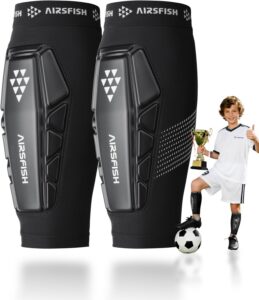
Soccer Shin Guards for Kid Youth, P…
From the brand Soccer Shin Guards 【Smart Non-Newtonian Impact Protection】 Powered by advanced Non-Newtonian polymer technology,…
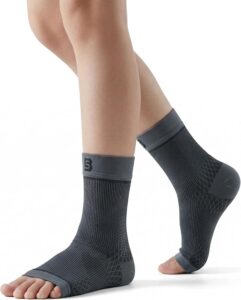
NMK Kids Compression Ankle Brace Yo…
Designed specifically for growing feet and high-energy lifestyles, these ankle compression sleeves deliver gentle yet effective…
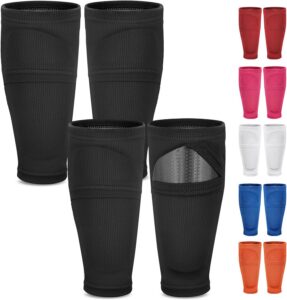
Shin Guard Sleeves 2 Pairs, Soccer …
***DOES NOT INCLUDE THE INSERTS*** Built for young athletes, Mirchro Kids Soccer Shin Guard Sleeves with…
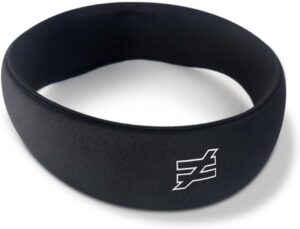
Unequal Halo 3 Lightweight Protecti…
Product description Unequal Halo 3 scores the top ranking as “Best of the Best” Unequal Halo…