
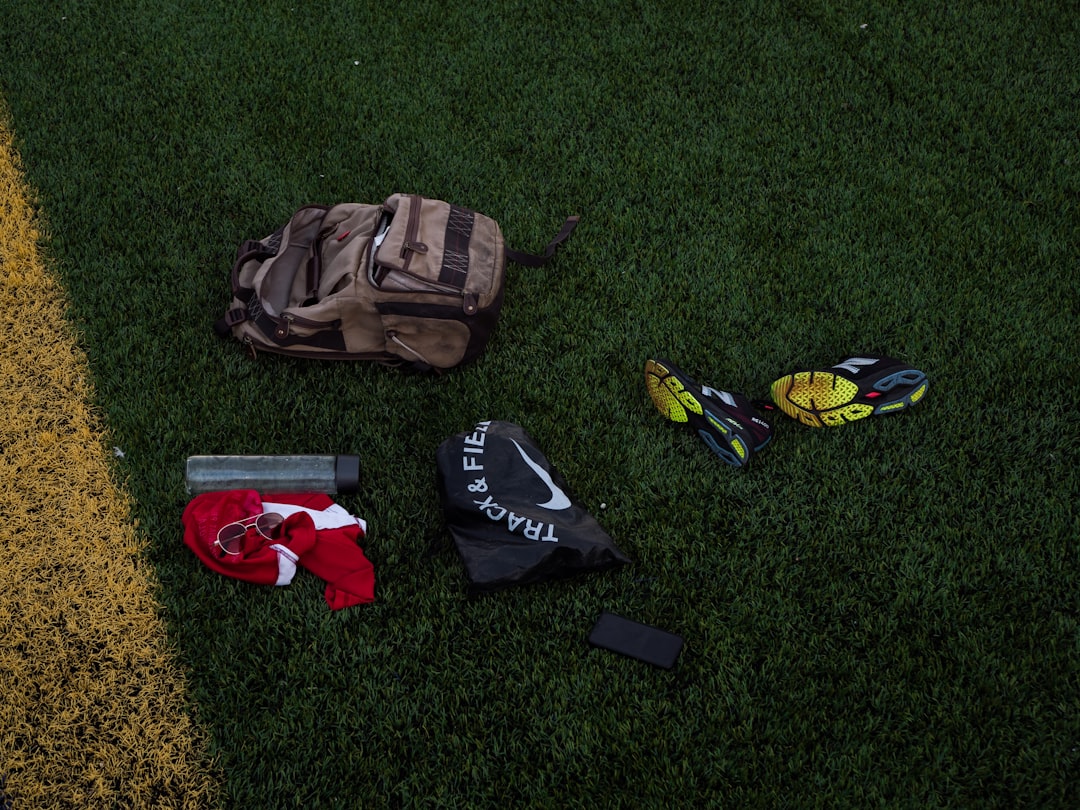
What Every Young Soccer Player Should Keep in Their Gear Bag
Whether your child is just starting recreational soccer or training for travel tryouts, a well-packed gear bag separates stress from focus. The right items save time, prevent small problems from becoming big ones, and help young players perform confidently on match day.
Below are practical, position-aware recommendations for what to carry to practices and games. These items are chosen to protect, prepare, and prolong playing time without weighing the bag down.
1. A Durable Bag Built for Soccer
The foundation of good gear management is the bag itself. Look for a backpack-style soccer bag with a separate cleat compartment, water-resistant fabric, and enough room for layers and training tools. A youth-sized option with a dedicated ball and cleat pocket keeps items organized and ventilated—ideal for weekly practices and weekend tournaments. Consider the Athletico Youth Soccer Bag for a compact, soccer-specific carry solution.
2. Cleats, Socks, and a Spare Pair
Proper-cleated footwear is non-negotiable. Pack the game pair and a cheaper spare for wet or muddy fields. Bring two pairs of moisture-wicking socks—one to wear, one clean as a backup. Rotate socks regularly to prevent blisters and fungal issues. Keep shoelaces tied in a small pouch or tucked into the cleat pocket so they don’t get lost.
3. Shin Protection: Fit Matters
Shin guards should be worn at every practice and game. For youth players, choose guards sized for their height and secured with straps or sleeves so they don’t slide down during play. Lightweight, impact-diffusing designs offer protection without limiting movement. If your player is growing fast or plays in contact positions, consider an easily replaceable pair of youth soccer shin guards so fit remains correct as they grow.
4. Ankle Support and Injury Prevention
For players recovering from a sprain or who need extra stability, a low-profile ankle sleeve or brace can make a big difference. Compression sleeves help with circulation and mild support; lace-up or reinforced braces suit players needing stronger stabilization. Pack a pair that fits under cleats comfortably and bring them to training sessions where cutting and tackling are frequent. A dependable option is the NMK Kids Compression Ankle Brace, which balances support and comfort for youth feet.
5. Training Tools That Travel
Young players who want to improve outside team sessions should carry small, portable training tools. An agility ladder and cones let players do footwork and quick-change drills in a driveway or park. Resistance parachutes and speed sets add sprint work for power and conditioning. If you’re buying a multi-piece kit that combines ladders, hurdles, cones, and a parachute for home practice, a compact, ready-to-go product like this agility set can be a time-saving choice: Agility Ladder and Training Set.
6. Speed, Agility and Ball Skills
Small pieces of training equipment accelerate skill development. Quick-feet drills, cone slalom, and dribbling repetitions sharpen coordination and ball control. Teams or families that want structured home practice should consider compact speed and agility kits to expand drill variety without taking much space in the bag. Browse a range of compact options when choosing gear aimed at improving tempo and first-touch: Soccer Speed and Agility Sets.
7. Goalkeeper Essentials (If Applicable)
Goalkeepers need position-specific items: padded jerseys, durable pants, and knee or elbow protection for dives and slides. A padded long-sleeve goalie jersey protects shoulders and ribs during contact, and goalie pants offer extra padding at hips. For young keepers, lightweight padded shirts balance mobility and impact protection—look for youth sizes with breathable padding like the KELME Kids Padded Goalie Shirt. Keep gloves in a ventilated pocket and consider finger protection tape for added joint support.
8. Protective Extras: Mouthguards and Headgear
Contact isn’t limited to headers or shoulder challenges—teeth and minor head knocks happen. For players in aggressive leagues or those who’ve had dental repairs, a custom-fit or boil-and-bite mouthguard reduces injury risk. Younger players and those with previous concussions may use soft protective headgear designed to reduce impact force. A straightforward protective accessory every player can carry is a reliable mouthguard kit; an easy choice is this two-pack of Professional Sport Mouth Guards.
9. Hydration, Snacks, and Small First-Aid
Hydration is essential—pack a durable refillable water bottle and a small insulated bag for cold drinks or snacks. Include a simple first-aid kit with adhesive bandages, antiseptic wipes, and a compression wrap for sprains. A clip-on pouch for tape, spare laces, and a small multi-tool keeps items accessible. Keep energy-rich snacks like a banana or granola bar for halftime recovery.
10. Gear Care and Small Maintenance Items
Taking care of gear extends its life and performance. Goalkeeper gloves, in particular, need cleaning and grip maintenance. A glove care spray or cleaner helps preserve palm tack and prevent premature wear. Carry a small glove care product and a microfibre towel in the bag for after-use drying: Goalkeeper Glove Care Products.
Quick Checklist
- Bag with separate cleat compartment (Athletico Youth Soccer Bag)
- Game cleats + spare pair
- Two pairs moisture-wicking socks
- Youth shin guards (Youth Soccer Shin Guards)
- Ankle sleeve or brace (NMK Kids Compression Ankle Brace)
- Hydration + snack
- Small first-aid items and athletic tape
- Portable training set (agility ladder / cones) (Agility Ladder and Training Set)
- Goalie padding and glove care supplies (KELME Kids Padded Goalie Shirt, Goalkeeper Glove Care Products)
- Mouthguard (Professional Sport Mouth Guards)
FAQ
- How often should shin guards be replaced? Replace when the shell cracks, padding compresses, or the fit becomes loose—typically every 1–2 seasons for growing kids.
- Can ankle braces be worn all game long? Light compression sleeves are fine for full games; heavier lace-up braces may restrict motion—test them in practice first.
- How do you clean goalkeeper gloves? Rinse with cool water after use, air dry flat, and use a glove care spray to maintain palm grip and elasticity.
- Should players carry a spare uniform? For tournaments or rainy seasons, yes—pack a spare jersey and shorts to stay dry and comfortable between matches.
- Is a mouthguard necessary for youth soccer? While not universally required, a mouthguard is a wise precaution for players in contact positions or leagues with enforced heading rules.
Conclusion
Pack with purpose: choose lightweight, durable items that protect and enable practice. A smartly organized bag reduces stress, speeds pre-game routines, and helps young players focus on skill and enjoyment. Start with the essentials listed above, and adjust items as your child grows and their position demands evolve.
Products Featured in This Article
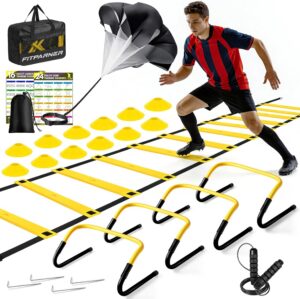
Agility Ladder, Soccer Football Tra…
The Ultimate All-in-One Agility Soccer Training Equipment Kit: This comprehensive agility training equipment provides everything needed…
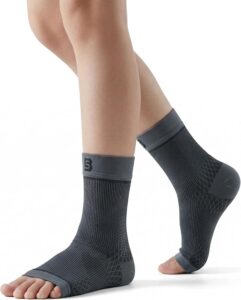
NMK Kids Compression Ankle Brace Yo…
Designed specifically for growing feet and high-energy lifestyles, these ankle compression sleeves deliver gentle yet effective…
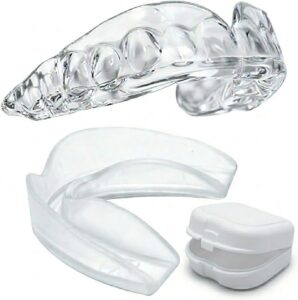
Professional Sport Mouth Guards- 2 …
Product description Custom Fit To Any Mouth Size: Teeth Mouth Guard easily molds to fit any…
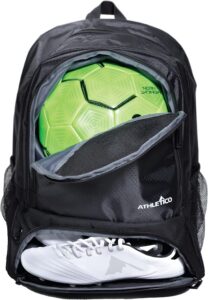
Athletico Youth Soccer Bag – …
Product description Athletico League Youth Soccer Backpack | Holds Soccer Ball / Basketball / Volleyball +…