Introduction
Starting your child’s first soccer season is exciting—and a little overwhelming. Between cleats, shin guards, practice gear and sideline logistics, it’s easy to buy too much, too little, or the wrong things.
This guide gives practical, step-by-step advice for parents who want the right gear without overspending. If you want to browse a curated selection as you read, you can Shop Soccer Gear Scout for categories and products that match each recommendation below.
What to prioritize for the first season
Focus on fit, protection, and what your league requires. Essential items are cleats, shin guards, team jersey, socks, and a size-appropriate ball. Extras like training cones, a backpack, and a sideline blanket are useful but secondary.
Buy items that directly affect play and safety first; toys and specialized training tools can wait until your child decides they want extra practice at home.
Choosing the right cleats and socks
Fit is everything. Cleats that are too tight cause blisters; too loose increase injury risk. Have your child try cleats with the socks they’ll wear during games. For youth players, choose molded cleats (rubber or plastic studs) rather than metal studs.
Consider one-season room—cleats that allow a thumb’s width of room at the toe give space to grow without affecting control. Avoid buying footwear several sizes too big; it compromises balance and ball feel.
Protective gear: shin guards, ankles and mouthguards
Shin guards are mandatory in most leagues and should cover from just above the ankle to a couple inches below the knee. Hard-shell or foam-backed guards both work for beginners; the key is correct sizing and secure fit. Browse appropriate options for younger players by checking youth-grade products like youth shin guards.
Ankle protection helps if your child rolls their ankle or needs extra stability. Low-profile designs fit inside cleats without bulk; consider adding ankle guards if your player has a history of sprains or plays in a contact-prone position.
If your league permits or requires additional protection, mouth protection is inexpensive and worth considering—especially for young players learning to avoid elbowing or collisions. Look at youth-specific mouthguards to find comfortable, age-appropriate options.
Goalkeeper basics (if your child wants to try GK)
Goalkeeping requires distinct gear. For kids starting out, padded jerseys and durable gloves are the essentials. Good gloves make catches easier and protect fingers; for a dependable beginner-to-intermediate option consider models such as Renegade GK Fury Goalie Gloves, which are designed for youth and adult sizes.
Also think about padded shirts and pants to cushion dives. If your child plans to rotate between field and goal, buy gloves and one padded top—don’t overspend until they commit to the position.
Training gear that’s truly useful
For building skills and fitness at home, choose durable, multi-use items: cones, an agility ladder, and a size-appropriate training ball. These tools give structure to 10–20 minute backyard sessions without overwhelming storage.
An all-in-one starter training kit can be a great value. Lightweight, portable sets make practice easy between school and team commitments—consider an agility ladder set to improve footwork and coordination at home.
For families who want a structured approach to speed and agility work, look for pre-packaged options that include ladders, cones, and hurdles. The speed and agility sets category contains coordinated gear designed to progress with your child’s skill level.
Packing the bag: what to bring to practice and games
A single soccer bag that separates cleats and wet items from clean clothes keeps things organized. Include: water bottle, cleats, socks, shin guards, spare laces, a light jacket, and a snack. For younger kids, carry a small first-aid kit and spare socks.
Use a backpack with a cleat compartment for better hygiene and convenience. A recommended practical option is a roomy youth soccer bag that has a separate cleat and ball compartment to keep gear tidy.
Sizing, budget and longevity tips
Buy what fits now for safety and comfort. For rapidly growing kids, prioritize fit over “room to grow.” Spend more on items that affect play and safety (cleats, shin guards, gloves) and save on extras (training gadgets, novelty items).
Watch for durable materials and reinforced stitching on backpacks and protective gear. Hand-me-downs are fine for jerseys and non-technical items, but inspect shared gear for wear that compromises protection (cracked shin guards, thin glove palms).
Care and maintenance
Cleaning and storing gear correctly extends its life. Air-dry cleats and gloves after use—never put padded or foam items in the dryer. Rinse mud off shin guards and allow them to breathe. Replace worn laces and patch small tears before they worsen.
If your child is a keeper, use a glove-care spray or let palms air out between sessions. Proper care prevents odor, keeps grip performance consistent, and delays replacement costs.
Checklist
- Properly fitted cleats (molded studs)
- Shin guards sized for current leg length
- Game socks and a team jersey
- Water bottle, snack, light jacket
- Small first-aid items (tape, bandages)
- Training basics: cones, ball, agility ladder
- Bag with separate cleat compartment
- Goalkeeper gloves and padded top (if applicable)
FAQ
Q: How do I know what size shin guard to buy?
A: Measure from just above the ankle to just below the knee—choose a guard that covers that area without restricting movement.
Q: Are socks necessary, or can kids play in regular athletic socks?
A: Soccer socks are longer and designed to hold shin guards in place. They help prevent chafing and keep protective gear secure during play.
Q: Should I buy expensive goalie gloves for a beginner?
A: Not usually. Start with a mid-range glove that provides good grip and padding; upgrade if your child commits to goalkeeping and needs advanced features.
Q: Is an agility ladder worthwhile for a first season?
A: Yes—simple ladder drills improve footwork, balance, and confidence. A compact set is inexpensive and useful for short home sessions.
Q: How much extra room should cleats have for growth?
A: Aim for a thumb’s width of space at the toe—any more can affect control and stability.
Conclusion
For a first soccer season, focus on fit, protection, and a few versatile training tools. Buy items that improve safety and play first, then add extras as interest and commitment grow. A sensible bag and a practical training kit will keep practices efficient and enjoyable for both parent and player.
Products Featured in This Article
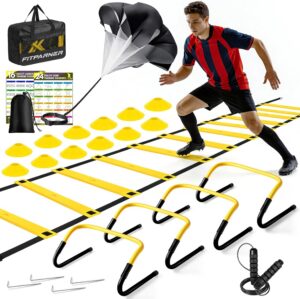
Agility Ladder, Soccer Football Tra…
The Ultimate All-in-One Agility Soccer Training Equipment Kit: This comprehensive agility training equipment provides everything needed…
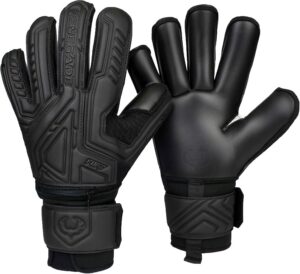
Renegade GK Fury Goalie Gloves with…
Product description Best In Class Finger Protection & Punch Performance Endo-Tek Pro FingersavesDuraTek 4+2MM Latex Backhand6D…
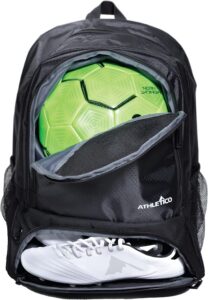
Athletico Youth Soccer Bag – …
Product description Athletico League Youth Soccer Backpack | Holds Soccer Ball / Basketball / Volleyball +…